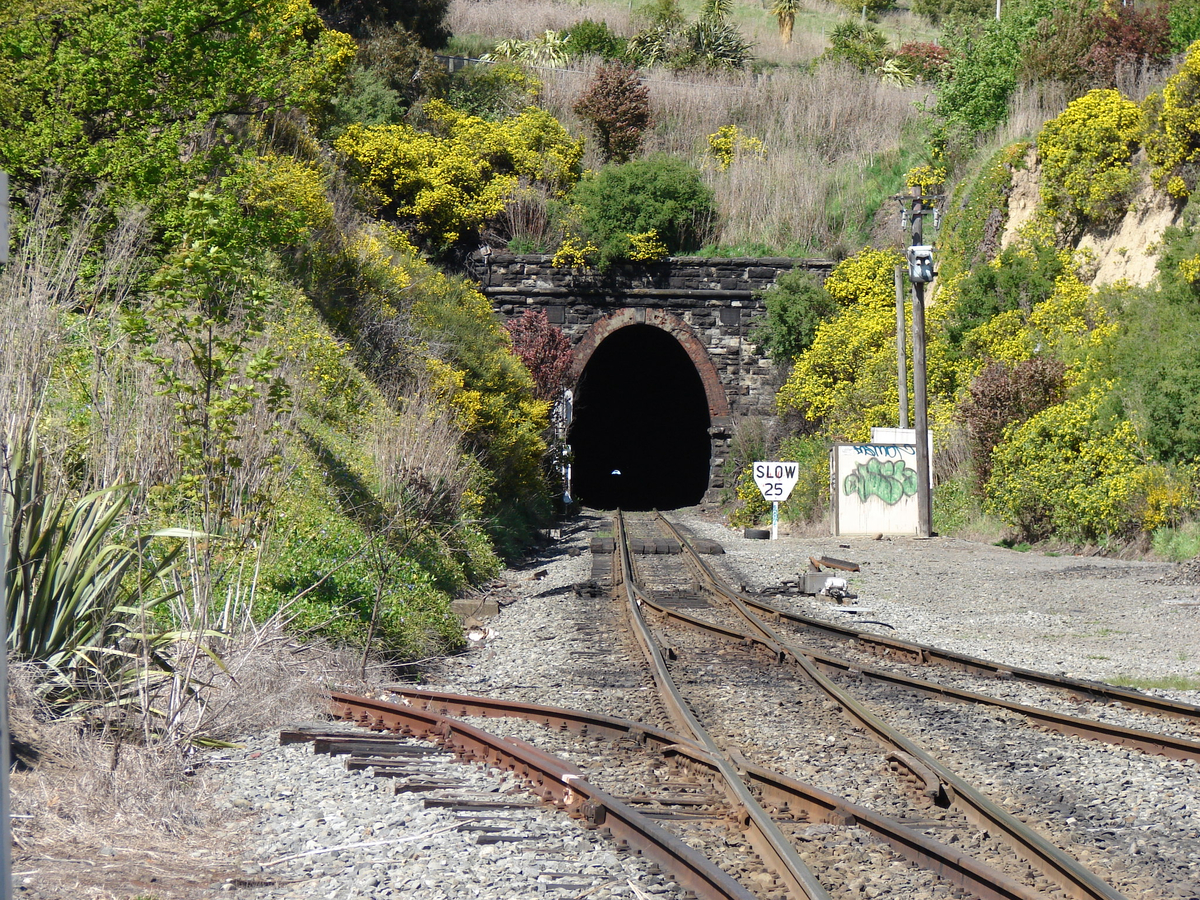
Lyttelton Railway Tunnel Completion
New Zealand
Infrastructure Development
Transportation Upgrade
4 min read
Updated By: History Editorial Network (HEN)
Published:
The completion of the Lyttelton railway tunnel marked a significant milestone in New Zealand's transportation history. The idea of building a tunnel through the Port Hills of Canterbury was first proposed in the early 1860s to establish a direct link between the port of Lyttelton and Christchurch. Construction of the tunnel began in 1861, utilizing the workforce of over 1,000 men, including many skilled miners from England.
The tunnel, stretching over 2.5 kilometers long, involved challenging engineering due to the rugged terrain and the need for precise alignment. Despite facing various obstacles such as rockfalls and water ingress, the construction persevered, with the use of explosives to break through the rock.
The completion of the Lyttelton railway tunnel revolutionized transportation in the Canterbury region, providing a faster and more efficient connection for goods and passengers between Lyttelton and Christchurch. This reduced travel time significantly, boosting trade and economic development in the area.
The successful construction of the tunnel also demonstrated New Zealand's growing prowess in engineering and infrastructure projects. It showcased the country's ability to undertake ambitious initiatives that would benefit its growing population and economy.
Today, the Lyttelton railway tunnel remains a crucial link in New Zealand's railway network, continuing to facilitate the movement of freight and passengers between the important port of Lyttelton and the city of Christchurch. It stands as a testament to the ingenuity and perseverance of those who worked on its construction over a century ago, shaping the transportation landscape of the Canterbury region for generations to come.
#Lyttelton #RailwayTunnel #NewZealandHistory #InfrastructureDevelopment #TransportationUpgrade

Explore the Life Moments of
 AI Twin