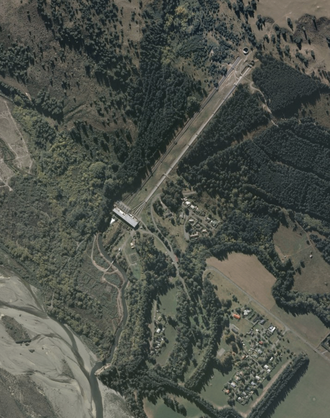
Lake Coleridge Electricity Supply Scheme Inaugurated
New Zealand
3 min read
Updated By: History Editorial Network (HEN)
Published:
Updated:
In 1916, the Lake Coleridge electricity supply scheme was opened in New Zealand. Lake Coleridge, located in the Canterbury region, was chosen due to its abundant water supply which made it ideal for generating hydroelectric power. The scheme involved the construction of a dam on the Rakaia River, creating a reservoir to harness the power of the water.
The completion of the Lake Coleridge electricity supply scheme had a significant impact on the region. It provided a reliable source of electricity to the surrounding areas, which was essential for powering industries, homes, and farms. This infrastructure development boosted economic growth, attracting businesses and settlers to the region. The scheme also played a crucial role in modernizing the area, improving the quality of life for residents.
The opening of the Lake Coleridge electricity supply scheme marked a milestone in New Zealand's journey towards utilizing renewable energy sources. The country's commitment to hydroelectric power paved the way for sustainable energy practices, reducing reliance on fossil fuels and minimizing environmental impact.
Overall, the Lake Coleridge electricity supply scheme opening was a pivotal moment in New Zealand's history, demonstrating the country's innovation and dedication to providing its citizens with essential services in a sustainable way.
#LakeColeridge #ElectricitySupplyScheme #NewZealandHistory #HydroelectricPower #Sustainability

Explore the Life Moments of
 AI Twin