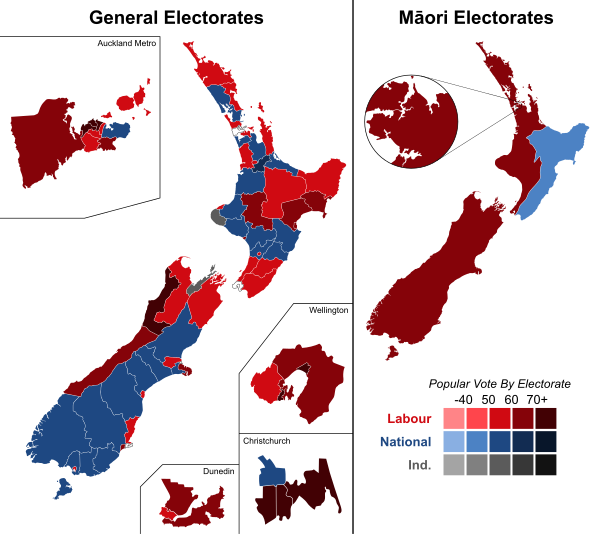
Labour party wins re-election in General Election.
New Zealand
Political
Social Welfare
4 min read
Updated By: History Editorial Network (HEN)
Published:
Updated:
In the historical event of the General election in New Zealand in 10/15/1938, the Labour party was re-elected to power. The Labour party, led by Michael Joseph Savage, secured a majority in the parliament, allowing them to continue their progressive policies. This victory was seen as a validation of the government's efforts to address the challenges faced by the country during that time, especially the effects of the Great Depression.
The re-election of the Labour party had a significant impact on New Zealand's political landscape. It signaled stability and continuity in governance, reassuring the public and instilling confidence in the government's ability to lead the country through uncertain times. The policies and reforms implemented by the Labour party were aimed at improving the welfare of citizens, promoting social justice, and stimulating economic growth.
The successful re-election of the Labour party reflected the support they garnered from the population, particularly from workers and marginalized groups who benefited from their social welfare programs. The government's commitment to social welfare and progressive ideals resonated with many voters, earning them a renewed mandate to govern.
Overall, the General election in New Zealand in 10/15/1938, and the Labour party's re-election, underscored the importance of effective governance, social welfare, and political continuity in times of economic hardship and social challenges. The victory of the Labour party reflected the will of the people for a government that prioritized the well-being of its citizens and worked towards a more equitable society.
#NewZealandPolitics #LabourParty #SocialWelfare #PoliticalContinuity
Explore the Life Moments of
 AI Twin