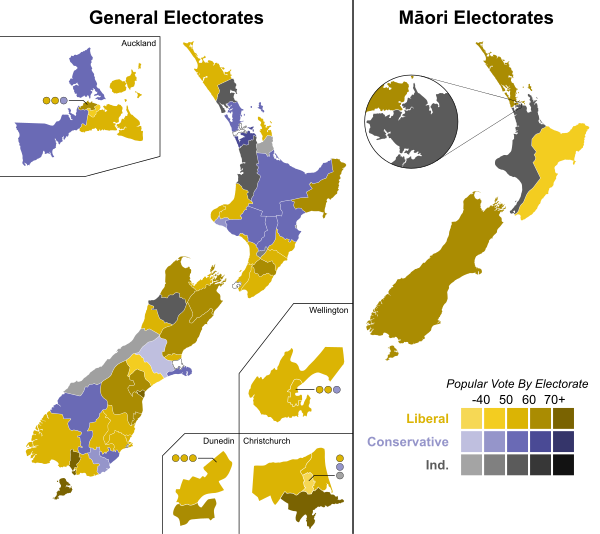
Key Points of 1899 General Election
New Zealand
Political
Social
4 min read
Updated By: History Editorial Network (HEN)
Published:
Updated:
In the election held in 1899 in New Zealand, a significant shift occurred in the political landscape of the country. The election saw the incumbent Liberal Government, led by Richard Seddon, secure a landslide victory for the third time in a row. The Liberal Party's success was attributed to their policies promoting social welfare, infrastructure development, and progressive reforms.
The election marked the emergence of the Labour Party as a new political force, winning its first seats in Parliament. Although the Labour Party did not win enough seats to form the government, their presence signaled a growing demand for workers' rights and representation in New Zealand.
One of the key issues in the election was the growing concern over the economic depression that was impacting the country. The Liberal Government's interventionist approach to the economy resonated with voters, securing their continued support.
The aftermath of the election saw the Liberal Government embarking on ambitious programs to stimulate the economy, create jobs, and improve living conditions for New Zealanders. These initiatives laid the foundation for the country's social and economic development in the coming years.
Overall, the 1899 New Zealand general election was a turning point in the country's political history. It highlighted the popularity of the Liberal Government's progressive agenda and set the stage for the rise of the Labour Party as a major political player. The election's outcome shaped the direction of government policies and paved the way for reforms that would benefit New Zealand society.
#NewZealandPolitics #ProgressiveReforms #LabourMovement

Explore the Life Moments of
 AI Twin