Introduction of One- and Two-Dollar Coins for Banknote Replacement
New Zealand
Economic Transition
4 min read
Updated By: History Editorial Network (HEN)
Published:
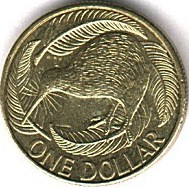
In 1991, the decision was made in New Zealand to introduce one- and two-dollar coins to replace their corresponding banknotes. With the aim of reducing production costs and increasing durability, the Reserve Bank of New Zealand implemented this change to the country's currency system.
The introduction of the one- and two-dollar coins had a significant impact on everyday transactions and the overall circulation of currency. As the coins were more robust than the paper banknotes, they proved to be more cost-effective in the long run. People had to adapt to the new coins, letting go of the familiar paper notes and incorporating the coins into their daily transactions.
Businesses and consumers had to adjust to the new denominations, with cash registers and accounting systems needing updating to accommodate the change. The transition period involved familiarizing the public with the new coins and phasing out the old banknotes from circulation gradually.
Despite initial resistance and confusion among the population, the introduction of the one- and two-dollar coins eventually became widely accepted as the new norm in New Zealand. The coins symbolized a shift towards a more efficient and sustainable currency system for the country.
The decision to introduce one- and two-dollar coins in New Zealand in 1991 marked a significant milestone in the country's monetary history. The transition to coins from banknotes signaled a practical approach to currency production and circulation, making the economy more robust and reducing costs in the long term.
#NewZealandCurrency #TransitiontoCoins #EfficiencyInEconomy

Explore the Life Moments of
 AI Twin