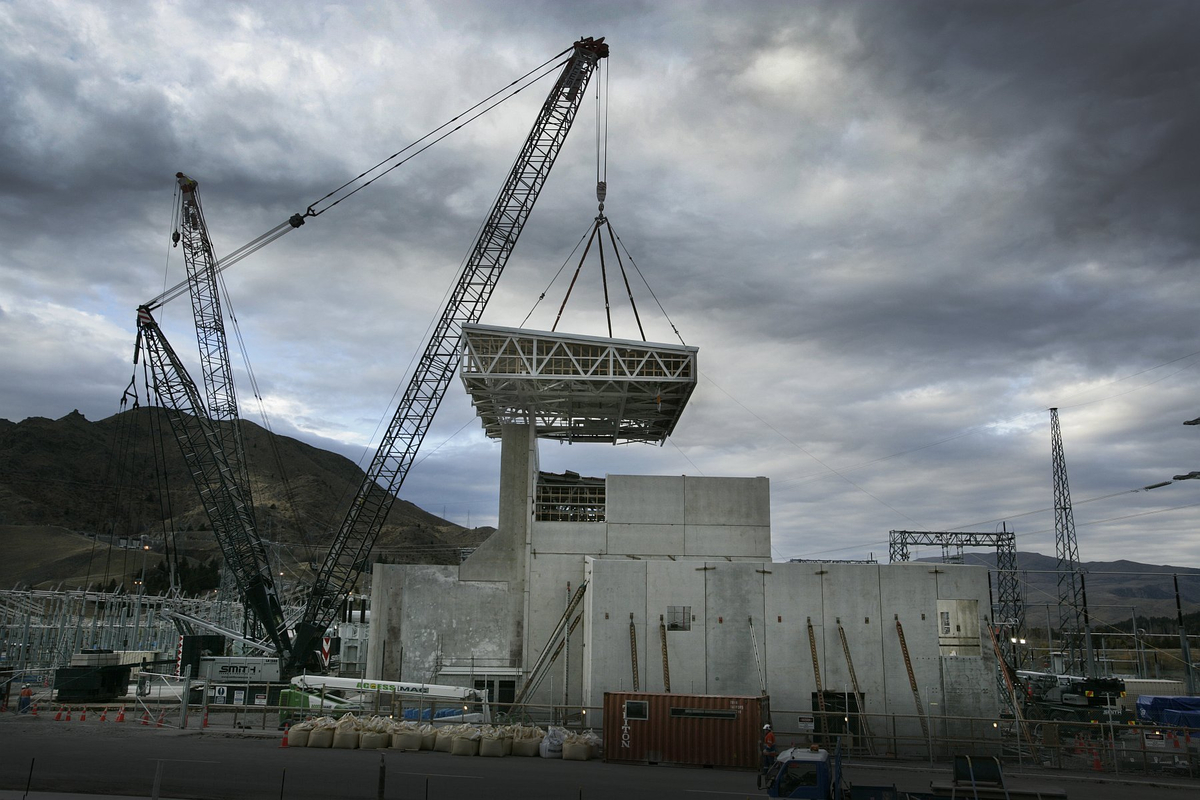
Inter-Island HVDC Commissioned
New Zealand
Infrastructure
Energy
4 min read
Updated By: History Editorial Network (HEN)
Published:
The commissioning of the Inter-Island High Voltage Direct Current (HVDC) link marked a pivotal development in New Zealand's energy infrastructure. The project aimed to connect the power grids of the North and South Islands to ensure efficient electricity transmission. Prior to this connection, each island operated independently, leading to imbalances in power supply and demand.
The introduction of the HVDC link facilitated the exchange of electricity between the islands, enabling surplus power from hydroelectric stations in the South to be transmitted to the more densely populated North Island. This enhanced grid reliability and reduced the likelihood of power shortages during peak periods. Additionally, the interconnection improved overall system stability and allowed for better utilization of renewable energy resources.
The commissioning of the Inter-Island HVDC link had a significant impact on the socio-economic landscape of New Zealand. It supported the growth of industries, facilitated urbanization, and enhanced the quality of life for residents. The project also contributed to the country's energy resilience and sustainability goals by promoting efficient use of resources and reducing reliance on fossil fuels.
Overall, the Inter-Island HVDC link stands as a testament to New Zealand's commitment to innovation and progressive energy policies. It exemplifies the nation's forward-thinking approach to addressing challenges in the power sector and underscores the importance of strategic investments in infrastructure to support sustainable development.
#NewZealandEnergy #HVDCConnection #InterIslandLink #SustainableInfrastructure
Explore the Life Moments of
 AI Twin