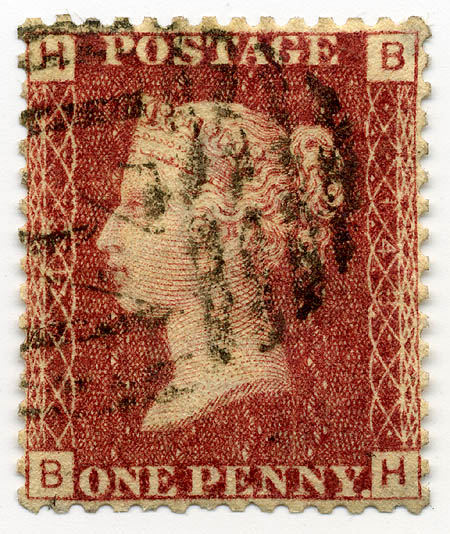
Historical Introduction of Penny Postage Model
New Zealand
Social
Economic
4 min read
Updated By: History Editorial Network (HEN)
Published:
In 1901, New Zealand ushered in a new era with the introduction of penny postage. This innovative postal system marked a significant shift in communication, making it more accessible and affordable for the public to send letters within the country.
Prior to the implementation of penny postage, mailing letters was a costly affair, hindering the flow of communication between individuals and communities. The new postage system revolutionized the way people interacted, enabling them to stay connected through written correspondence without financial constraints.
With the penny postage system, individuals could send letters for a minimal fee, fostering increased communication and connectivity across New Zealand. This development spurred economic growth, as businesses could now easily correspond with customers and partners, facilitating trade and commerce.
The introduction of penny postage had a profound impact on society, fostering literacy and education by making it easier for people to exchange information and ideas. Families could stay in touch with loved ones in different regions, strengthening social bonds and creating a sense of unity within the country.
Overall, the adoption of penny postage in New Zealand in 1901 revolutionized communication, making it more inclusive and efficient. This event played a crucial role in shaping the social and economic landscape of the country, laying the foundation for a more interconnected and informed society.
#PennyPostage #CommunicationRevolution #NewZealandHistory

Explore the Life Moments of
 AI Twin