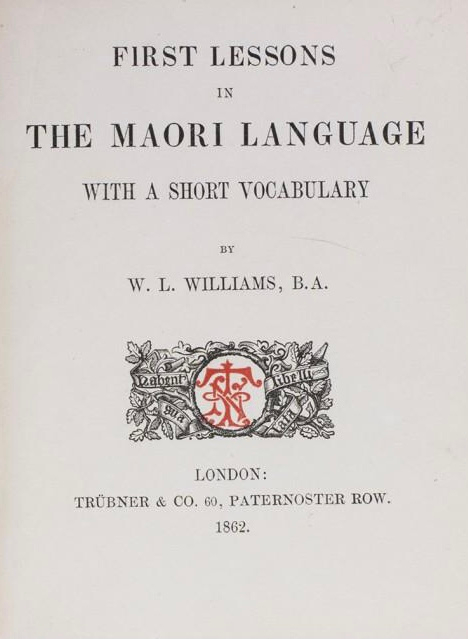
Historic Legislation Recognizes Māori Language
New Zealand
Cultural Heritage Preservation
Indigenous Language Revitalization
4 min read
Updated By: History Editorial Network (HEN)
Published:
The passing of the Māori Language Act in New Zealand marked a pivotal moment in the country's history. Prior to this, the Māori language was in danger of becoming extinct due to decades of marginalization and suppression. The Act aimed to revitalize and promote the use of the Māori language, recognizing its cultural significance to the indigenous people of New Zealand.
With the Māori Language Act coming into effect, Māori was granted official language status, ensuring its use in legal settings, education, and public services. The Act also established Māori as a core subject in schools, further supporting its preservation and transmission to younger generations. Additionally, it allowed for the creation of Māori language initiatives and resources to promote its use and integration into everyday life.
The passing of the Māori Language Act was a turning point in the efforts to protect and promote the Māori language, reflecting a growing recognition of the importance of indigenous languages worldwide. It not only safeguarded the Māori language for future generations but also signaled a commitment to honoring the cultural heritage of the Māori people.
Today, the impact of the Māori Language Act can be seen in the increased visibility and usage of the Māori language across various sectors of New Zealand society. From bilingual signage to Māori language immersion programs, efforts to revitalize the language continue to grow, ensuring its survival and vitality for years to come.
#MāoriLanguageAct #IndigenousLanguageRevitalization #CulturalHeritagePreservation
Explore the Life Moments of
 AI Twin