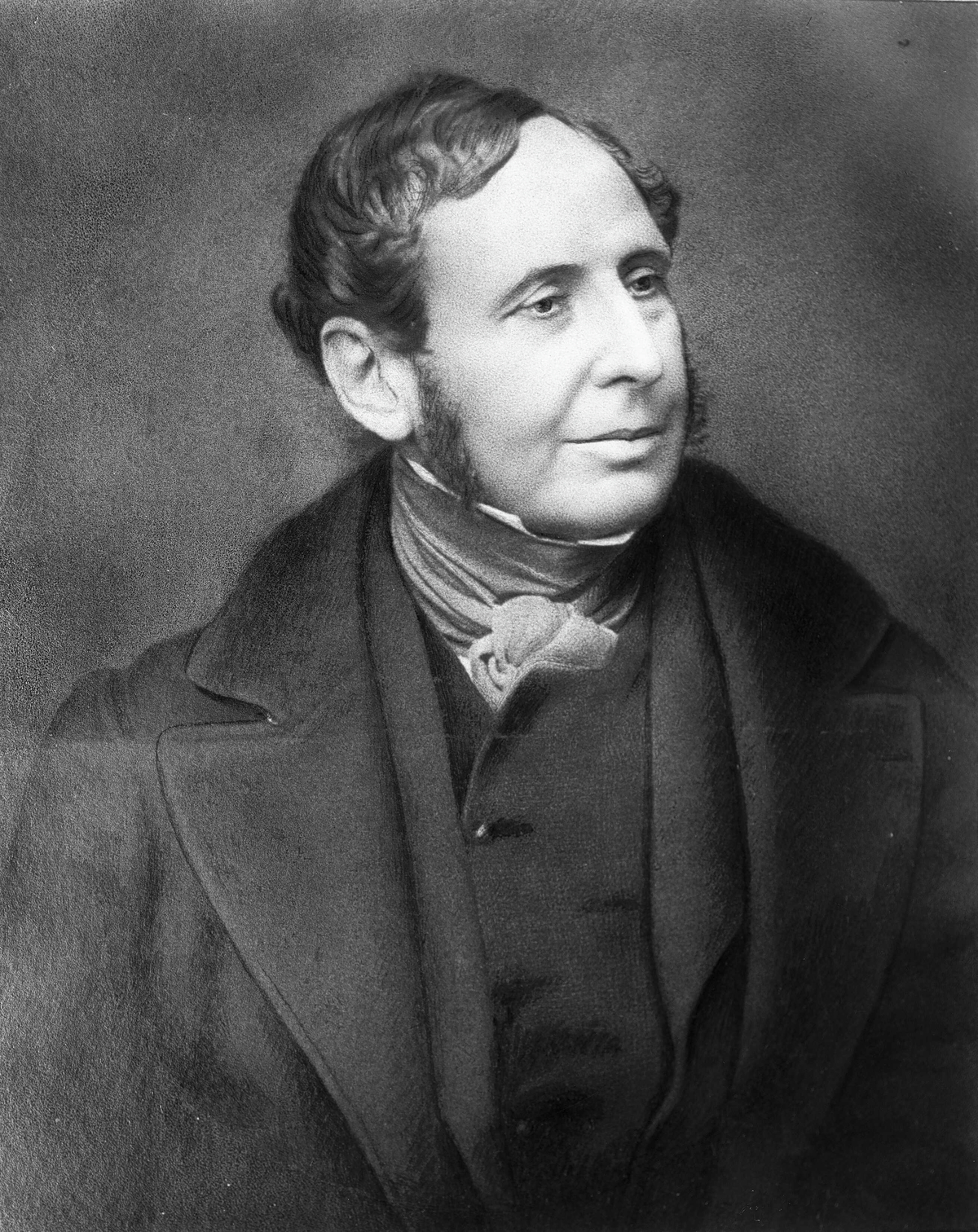
Governorship Transferred to Robert FitzRoy
New Zealand
Political
Colonial
4 min read
Updated By: History Editorial Network (HEN)
Published:
Updated:
Following the death of Governor William Hobson, Robert FitzRoy assumed the role as the new governor of New Zealand in 1843. FitzRoy, a British naval officer, was appointed to lead the colony during a crucial period marked by tensions between the British settlers and the indigenous Māori population.
FitzRoy's appointment brought a shift in leadership style compared to his predecessor. He was known for his efforts to establish better relationships with the Māori chiefs and promote the welfare of both settlers and indigenous people. Under his governorship, significant steps were taken to uphold the Treaty of Waitangi, which aimed to protect the rights of the Māori people.
One of the notable impacts of FitzRoy's governorship was the implementation of policies to address land disputes between the settlers and the Māori. His approach focused on negotiating fair land deals and preventing conflicts that could lead to violence and instability in the region.
Moreover, FitzRoy introduced measures to improve governance and infrastructure in New Zealand. He oversaw the development of important institutions and public services, laying the groundwork for a more organized and structured colonial administration.
The appointment of Robert FitzRoy as governor marked a transitional period in New Zealand's history, characterized by efforts to promote harmony and cooperation between the European settlers and the indigenous Māori population. His tenure contributed to the foundation of a more inclusive and respectful relationship between the different communities in the colony.
#RobertFitzRoy #NewZealandGovernor #TreatyofWaitangi #ColonialHistory #IndigenousRelations
Primary Reference
Robert Fitzroy | NZ History
Explore the Life Moments of
 AI Twin