General Election Results and Outcomes
New Zealand
Political
4 min read
Updated By: History Editorial Network (HEN)
Published:
Updated:
In 1951, New Zealand held a general election to elect members of the 30th Parliament. The election took place following a period of economic instability and debate over social welfare policies. The ruling National Party, led by Sidney Holland, faced strong opposition from the Labour Party, headed by Walter Nash.
The campaign leading up to the election focused on issues such as housing, healthcare, and the economy. The National Party emphasized its record on economic growth and stability, while the Labour Party advocated for increased social welfare programs and a more egalitarian society.
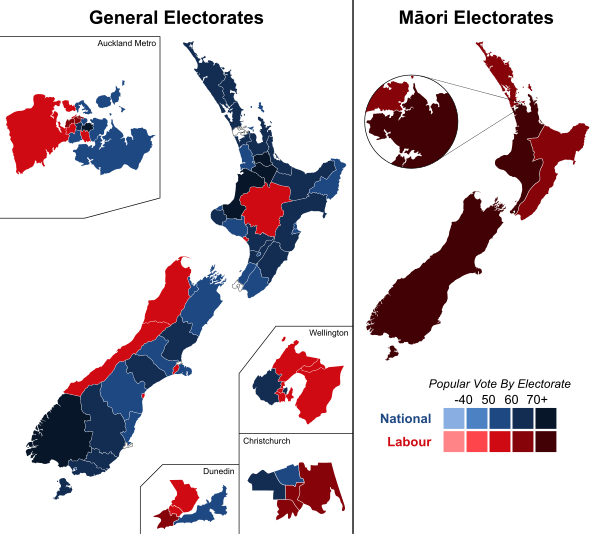
On election day, voter turnout was high, with citizens eager to have their voices heard. The results saw the National Party securing a majority of the votes, allowing them to form the government for another term. Despite a strong showing by the Labour Party, they were unable to unseat the incumbent party.
The outcome of the general election had a significant impact on the direction of New Zealand's policies and governance in the following years. The National Party continued to prioritize economic development and trade partnerships, while the Labour Party regrouped and refined their platform to appeal to a broader base of voters.
Overall, the 1951 general election in New Zealand reflected the ongoing debate between competing visions for the country's future, with both major parties offering distinct approaches to addressing the challenges of the time. The electoral process served as a crucial mechanism for democratic decision-making and shaping the course of the nation's development.
#NewZealand #GeneralElection #PoliticalHistory #Democracy
Explore the Life Moments of
 AI Twin