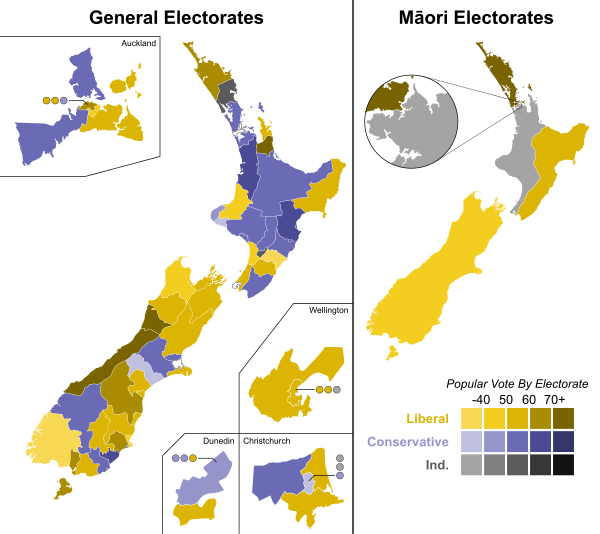
General Election Results and Changes in New Zealand Parliament.
New Zealand
Political
4 min read
Updated By: History Editorial Network (HEN)
Published:
Updated:
During the 1896 New Zealand general election, the country was in a state of transformation. The industrial revolution had spurred economic growth, leading to urbanization and a shift towards liberal ideals. This political climate set the stage for a significant electoral event.
With the rise of mass media, political parties began to utilize newspapers and pamphlets to spread their messages. The Liberal Party, led by Premier Richard Seddon, advocated for progressive policies such as worker's rights and social welfare. In contrast, the conservative opposition, the Conservative Party, argued for free-market principles and limited government intervention.
The election saw a high voter turnout, with citizens eager to have a say in the country's direction. The campaign focused on key issues such as industrialization, land reform, and foreign policy. Ultimately, the Liberal Party emerged victorious, winning a majority of seats in the Parliament.
The outcome of the election had a profound impact on New Zealand's future. The Liberal Party's victory solidified its position as a dominant political force in the country. Under Seddon's leadership, New Zealand experienced significant reforms, including the establishment of a minimum wage, old-age pensions, and the creation of a state-owned railway network.
The 1896 general election was a pivotal moment in New Zealand's history, marking a shift towards progressive policies and government intervention in the economy. It reflected the changing values and aspirations of the population during a time of rapid societal changes.
#NewZealand #1896Election #LiberalParty #PoliticalTransformation

Explore the Life Moments of
 AI Twin