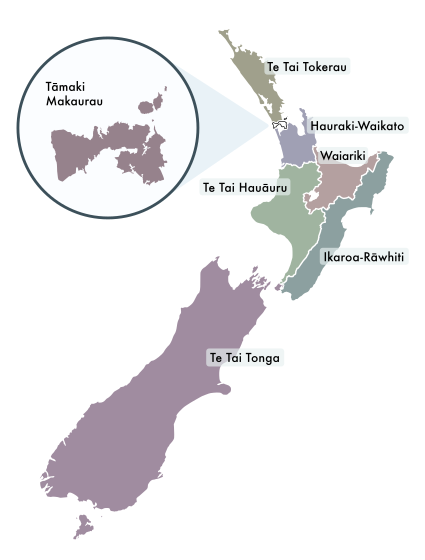
Four Māori Electorates Established, Suffrage Granted to Māori Men Over 21.
New Zealand
Political
EqualityInDemocracy
3 min read
Updated By: History Editorial Network (HEN)
Published:
In 1867, the establishment of four Māori electorates marked a significant development in the political landscape of New Zealand. This event granted all Māori men over 21 the right to vote and stand for Parliament.
Before this decision, Māori representation in Parliament was scarce, with only a limited number of individuals eligible to participate in the political process. The introduction of the four Māori electorates aimed to ensure better representation and give a voice to the Māori community in governance.
The impact of this decision was profound, as it allowed Māori men to have a say in the decisions that affected their lives and communities. It also contributed to the gradual progression towards greater inclusivity and equality in New Zealand's political system.
The establishment of the Māori electorates paved the way for increased Māori political participation and representation in the years to come. It marked a significant step towards recognizing the rights of the indigenous people of New Zealand and acknowledging their place in the country's political landscape.
This event highlighted the importance of ensuring equitable representation and participation in the democratic process, setting a precedent for similar initiatives in the future. It underscored the ongoing journey towards equality, diversity, and inclusivity in New Zealand's political system.
#MāoriRepresentation #PoliticalInclusion #EqualityInDemocracy
Explore the Life Moments of
 AI Twin