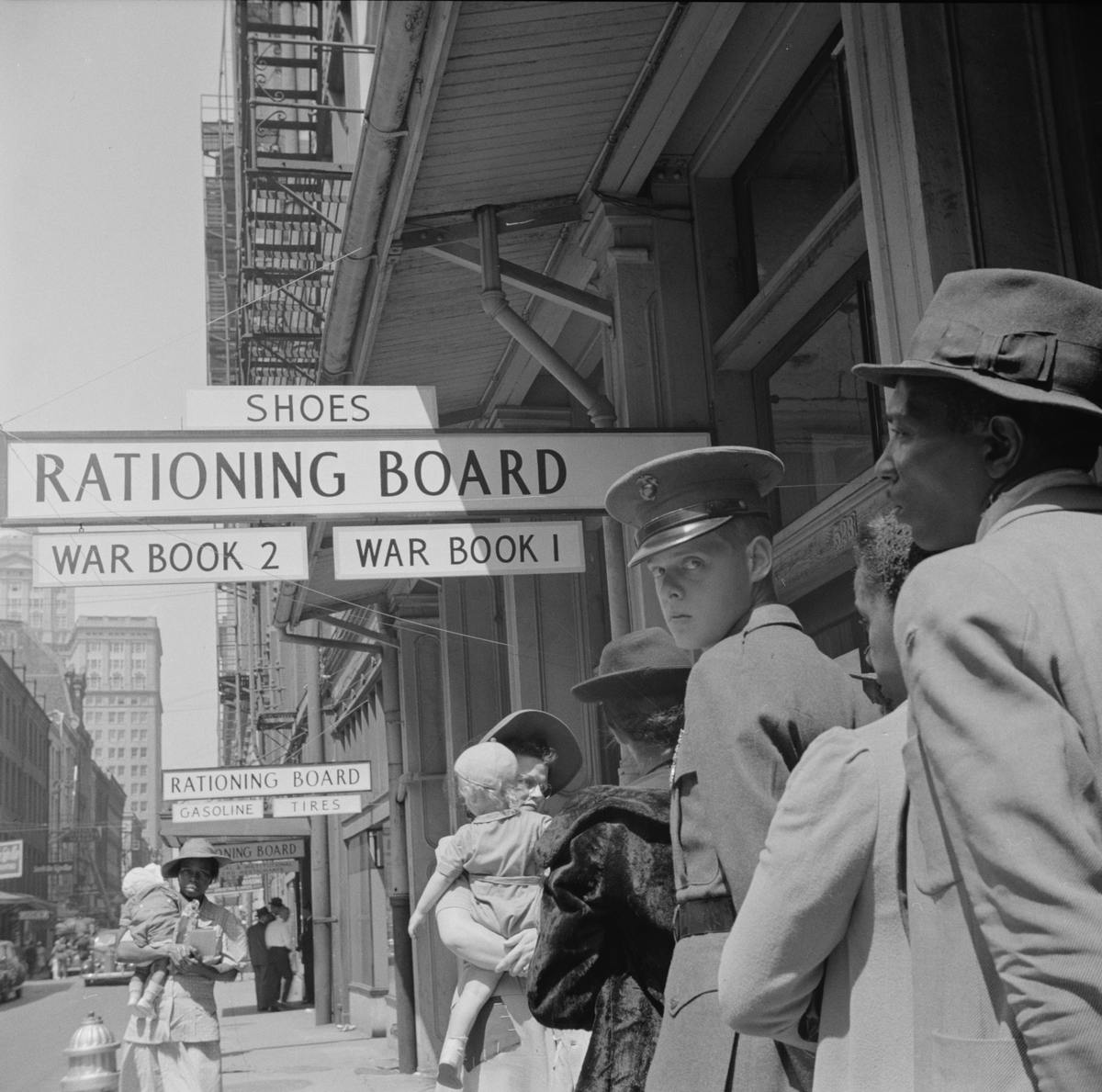
Food Rationing Implemented.
New Zealand
Social
4 min read
Updated By: History Editorial Network (HEN)
Published:
During World Warfare II, New Zealand implemented food rationing as part of its war effort. The background of this decision was the need to ensure fair distribution of food resources and manage shortages caused by the conflict. Rationing was essential to prevent hoarding and profiteering, as well as to prioritize supplies for the military.
The impact of food rationing was significant across the nation. Basic food items such as butter, sugar, meat, and tea were rationed, leading to adjustments in meal planning and cooking. Families had to cope with limited supplies and adapt recipes to make do with less. Ration books were issued to individuals, detailing their allocated amounts of essential goods. This system brought about a sense of shared sacrifice and national unity during a challenging time.
Food rationing influenced daily life and consumption habits in New Zealand. Citizens had to be mindful of their rations and make do with substitutes when certain items were unavailable. The government promoted home gardens and alternative sources of nutrition to supplement rations. People became more resourceful and creative with cooking, learning to stretch ingredients and minimize waste.
Overall, food rationing in New Zealand during World Warfare II was a pragmatic response to the realities of war. It reflected the need for collective responsibility and resilience in the face of adversity. The experience of rationing left a lasting impact on New Zealand society, shaping attitudes towards food, sustainability, and community solidarity.
#NewZealand #FoodRationing #WorldWarfareII #HomefrontEfforts #NationalUnity
Explore the Life Moments of
 AI Twin