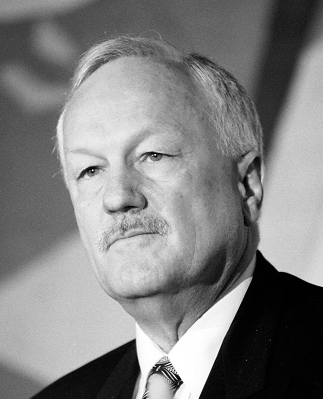
Finance Minister Roger Douglas begins deregulating the economy.
New Zealand
Economic Downturn
Political
3 min read
Updated By: History Editorial Network (HEN)
Published:
Updated:
In the year that Finance Minister Roger Douglas initiated the deregulation of New Zealand's economy, the nation was facing significant economic challenges. The government was grappling with high levels of debt, inflation, and unemployment, prompting the need for drastic measures to revitalize the economy.
Roger Douglas spearheaded a series of reforms that aimed to reduce government intervention and promote free-market principles. These changes included freeing the exchange rate, removing agricultural subsidies, privatizing state-owned enterprises, lowering tariffs, and implementing tax reforms. The objective was to increase efficiency, spur competition, attract investment, and stimulate economic growth.
The impact of these deregulation measures was profound. New Zealand experienced a shift towards a more market-oriented economy, leading to increased productivity, greater innovation, and improved competitiveness on the global stage. The reforms also had significant social implications, including job losses in certain industries and changes in the way services were delivered.
Overall, the deregulation of the economy under Roger Douglas marked a turning point in New Zealand's economic history. It set the stage for the country's transition towards a more open and dynamic economy, fundamentally reshaping its economic landscape and influencing government policies for years to come.
#NewZealand #EconomicReform #Deregulation #RogerDouglas #MarketOrientedEconomy
Explore the Life Moments of
 AI Twin