Establishment of Native Land Court in Aotearoa.
New Zealand
Political
Economic Downturn
4 min read
Updated By: History Editorial Network (HEN)
Published:
Updated:
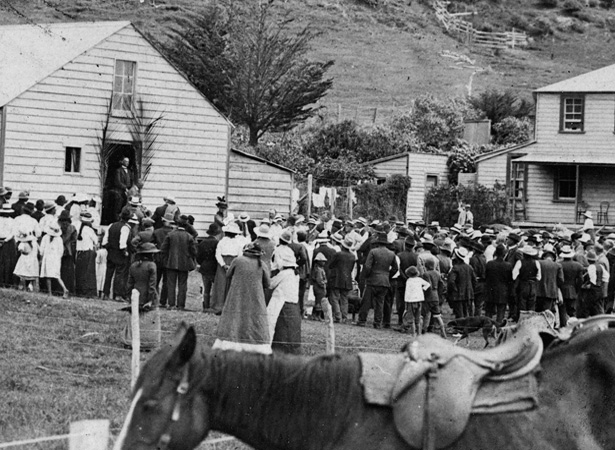
Established as a response to the growing land conflicts between settlers and indigenous Maori tribes, the Native Land Court aimed to address land ownership disputes in New Zealand. Operating under the Native Land Act, the court provided a legal framework for determining Maori land ownership and facilitated the conversion of communally owned land into individual titles. This process, known as individualization, was intended to promote land development and stimulate economic growth.
The Native Land Court had a profound impact on Maori society. It significantly altered the traditional system of communal land ownership, leading to the loss of large tracts of Maori land. The court's decisions often favored individual ownership, which sometimes resulted in the alienation of land from Maori communities. In some cases, land was sold to European settlers, further exacerbating the dispossession of Maori land.
Despite its intentions to resolve land disputes, the Native Land Court became a contentious institution among the Maori population. Many Maori viewed the court as a tool of colonization that undermined their traditional land tenure system and facilitated the loss of their ancestral lands. The court's decisions were perceived as unjust and biased, contributing to ongoing grievances and land protests among Maori communities.
The establishment of the Native Land Court marked a pivotal moment in New Zealand's history, resulting in far-reaching consequences for Maori land rights and indigenous autonomy. Its legacy continues to shape discussions around land ownership, colonization, and indigenous rights in New Zealand today.
#NativeLandCourt #MaoriLandRights #NewZealandHistory
Explore the Life Moments of
 AI Twin