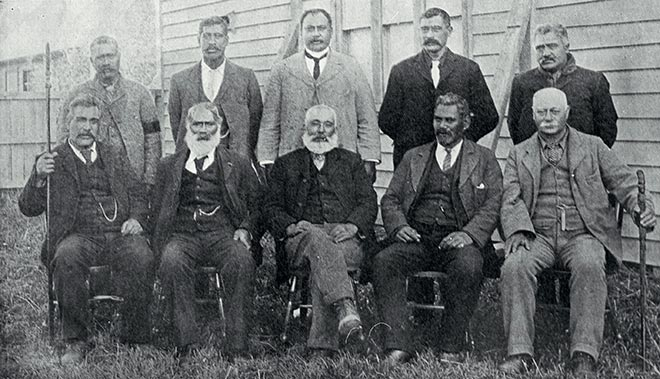
Establishment of Māori Council.
New Zealand
Political
Indigenous Rights
4 min read
Updated By: History Editorial Network (HEN)
Published:
Updated:
In 1962, the New Zealand Māori Council was established to advocate for the rights and well-being of the Māori people in the country. The council aimed to address social, economic, and political issues affecting the Māori community and ensure their voices were heard at a national level.
This significant development came at a time when Māori were facing increasing challenges due to urbanization, land loss, and cultural suppression. The establishment of the council provided a platform for Māori leaders to come together, discuss key issues, and work towards solutions that would benefit their people.
One of the primary impacts of the New Zealand Māori Council was its role in lobbying the government to address inequalities faced by the Māori population. The council advocated for improved healthcare, education, housing, and employment opportunities for Māori communities, leading to positive changes in government policies and programs.
Furthermore, the council played a crucial role in promoting Māori culture, language, and traditions. By highlighting the importance of preserving Māori identity, the council helped instill a sense of pride and belonging among Māori individuals and communities across New Zealand.
The establishment of the New Zealand Māori Council marked a turning point in the country's history, signaling a shift towards greater recognition of Māori rights and aspirations. The council's commitment to advocating for Māori interests has had a lasting impact on policies, practices, and attitudes towards the indigenous people of New Zealand.
#NewZealand #MāoriCouncil #Advocacy #IndigenousRights #CulturalPreservation
Explore the Life Moments of
 AI Twin