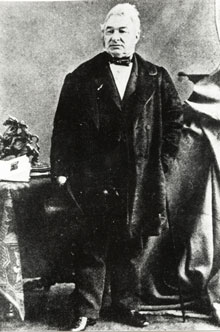
Establishment of French colony in Akaroa
New Zealand
Colonialism
Cultural Heritage
4 min read
Updated By: History Editorial Network (HEN)
Published:
Updated:
In 1840, a French whaling captain named Jean Langlois arrived in Akaroa, New Zealand with the intention of establishing a French colony. This move was sparked by the signing of the Treaty of Waitangi, which prompted Langlois to claim the area in the name of France. Despite British presence in the region, the French settlers proceeded to negotiate with the local Māori chiefs, eventually securing a deal to purchase the land.
The establishment of the French colony in Akaroa had a lasting impact on the cultural landscape of the region. The new settlers brought with them their language, customs, and cuisine, creating a unique blend of French and Māori influences in the area. The town of Akaroa still bears traces of its French heritage, with street names and buildings reflecting its colonial past.
The arrival of the French colonists also led to tensions with the British authorities, who had their own plans for New Zealand. Ultimately, the British asserted their control over the region, leading to the annexation of Akaroa and the surrounding areas. However, the French influence remained strong in Akaroa, contributing to its distinct identity within New Zealand.
The establishment of the French colony in Akaroa serves as a reminder of the complex history of colonialism in New Zealand. It highlights the interactions between European settlers and the indigenous Māori, as well as the enduring legacy of these encounters in shaping the cultural fabric of the country.
#FrenchColony #Colonialism #CulturalHeritage #NewZealand
Primary Reference
Akaroa - Wikipedia
Explore the Life Moments of
 AI Twin