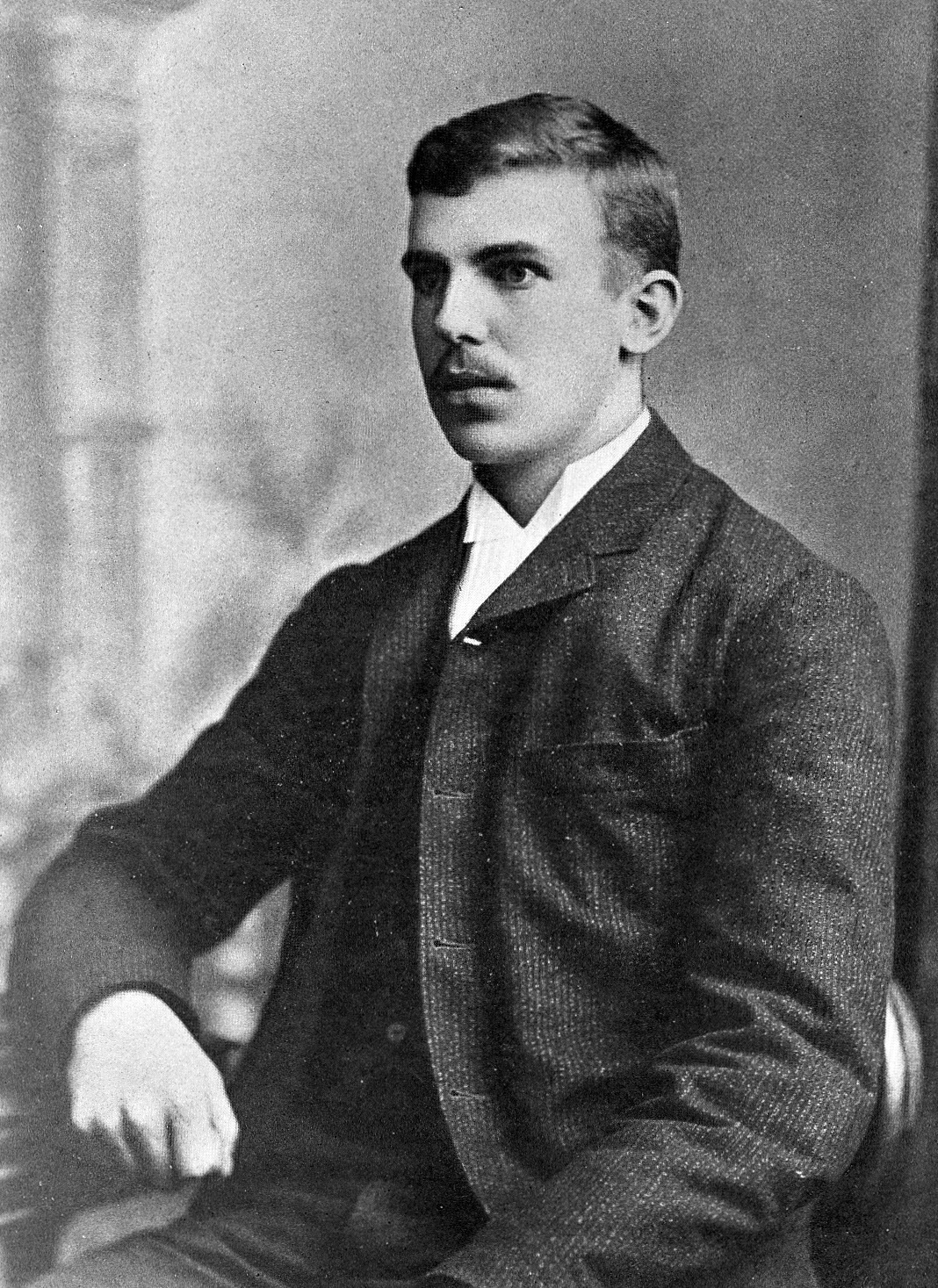
Ernest Rutherford Wins Nobel Prize
New Zealand
Science
Global Trade
3 min read
Updated By: History Editorial Network (HEN)
Published:
Ernest Rutherford, a renowned New Zealand chemist, was honored with the Nobel Prize in Chemistry for his groundbreaking work on radioactive substances. Rutherford's contributions to the understanding of the properties of radioactive elements, particularly his discovery of the concept of radioactive half-life, revolutionized the field of chemistry.
Born in New Zealand in 1871, Rutherford pursued a career in scientific research, focusing on the study of radioactivity. His experiments led to the identification of alpha and beta radiation, as well as the formulation of the theory of radioactive decay. These findings not only expanded scientific knowledge but also had far-reaching implications in fields such as medicine and energy production.
Rutherford's Nobel Prize win brought global recognition to his work, highlighting New Zealand's place in the scientific community. His research laid the foundation for future developments in nuclear physics, proving instrumental in the later discoveries of scientists like Niels Bohr and James Chadwick.
The awarding of the Nobel Prize in Chemistry to Ernest Rutherford marked a significant milestone in the history of science, underscoring the importance of his contributions to the field of chemistry and highlighting the potential for groundbreaking discoveries from researchers in smaller countries like New Zealand.
#ErnestRutherford #NobelPrize #Chemistry #Radioactivity #NewZealand

Explore the Life Moments of
 AI Twin