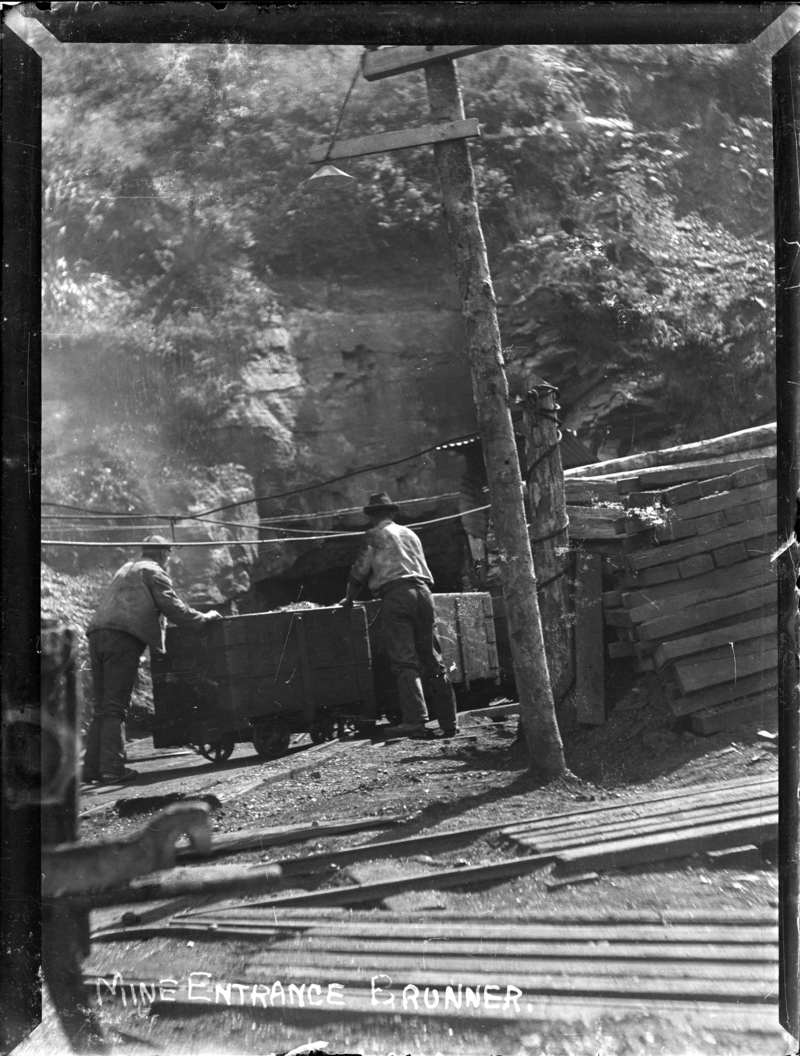
Discovery of Coal at Brunner, West Coast
New Zealand
Economic Growth
Industrial
3 min read
Updated By: History Editorial Network (HEN)
Published:
Updated:
In 1948, coal was discovered at Brunner on the West Coast of New Zealand, marking a pivotal moment in the country's industrial history. The region had long been known for its rich natural resources, but the discovery of coal opened up new opportunities for economic growth and development.
The coal discovery at Brunner sparked a rush of industrial activity in the area as mining operations began to extract the valuable resource. This led to the establishment of mining towns and infrastructure to support the growing industry. The coal mined at Brunner played a crucial role in fueling the industrial revolution in New Zealand, powering factories and railways across the country.
The impact of the coal discovery at Brunner was far-reaching, shaping the economic and social landscape of the West Coast region. It brought prosperity to the area, creating jobs and attracting migrants in search of opportunity. The growth of the coal mining industry at Brunner also had environmental consequences, as the land was extensively mined and altered to extract the coal.
Today, the legacy of the coal discovery at Brunner is still visible in the landscape of the West Coast. The mining towns that sprung up around the coal deposits continue to thrive, albeit in a different form. The region has diversified its economy, moving away from coal mining towards tourism and sustainable industries.
#CoalDiscovery #Brunner #WestCoast #NewZealand #IndustrialHistory #EconomicGrowth
Primary Reference
Energy sources through time – timeline — Science Learning Hub

Explore the Life Moments of
 AI Twin