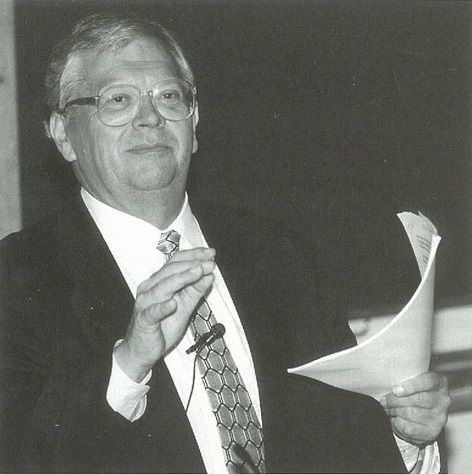
David Lange: 32nd Prime Minister, Fourth Labour government formed
New Zealand
Political
Economic Downturn
4 min read
Updated By: History Editorial Network (HEN)
Published:
Updated:
In 1984, David Lange assumed office as New Zealand's 32nd Prime Minister, leading the Fourth Labour government. Lange's rise to power came during a period of economic uncertainty and political upheaval in the country. The new government, under Lange's leadership, implemented significant reforms that aimed to address the economic challenges facing New Zealand at the time.
One of the key policies of the Fourth Labour government was the implementation of the economic restructuring program known as Rogernomics, named after the Minister of Finance, Roger Douglas. This program involved deregulation, privatisation, and liberalisation of the economy, marking a significant departure from the interventionist policies of previous governments.
Lange's government also placed a strong emphasis on social issues, implementing reforms in areas such as education and healthcare. One of the most notable achievements of his government was the passing of the Homosexual Law Reform Act in 1986, decriminalising consensual sexual activity between men.
The Fourth Labour government's policies were not without controversy, and they faced opposition from various quarters. Despite this, David Lange's leadership was marked by charisma and wit, making him a popular figure both domestically and internationally.
The tenure of David Lange as Prime Minister was a transformative period in New Zealand's political history. His government's policies had a lasting impact on the country's economy and society, shaping the direction of New Zealand for years to come.
#DavidLange #NewZealandPrimeMinister #LabourGovernment #Rogernomics #SocialReforms #PoliticalHistory
Explore the Life Moments of
 AI Twin