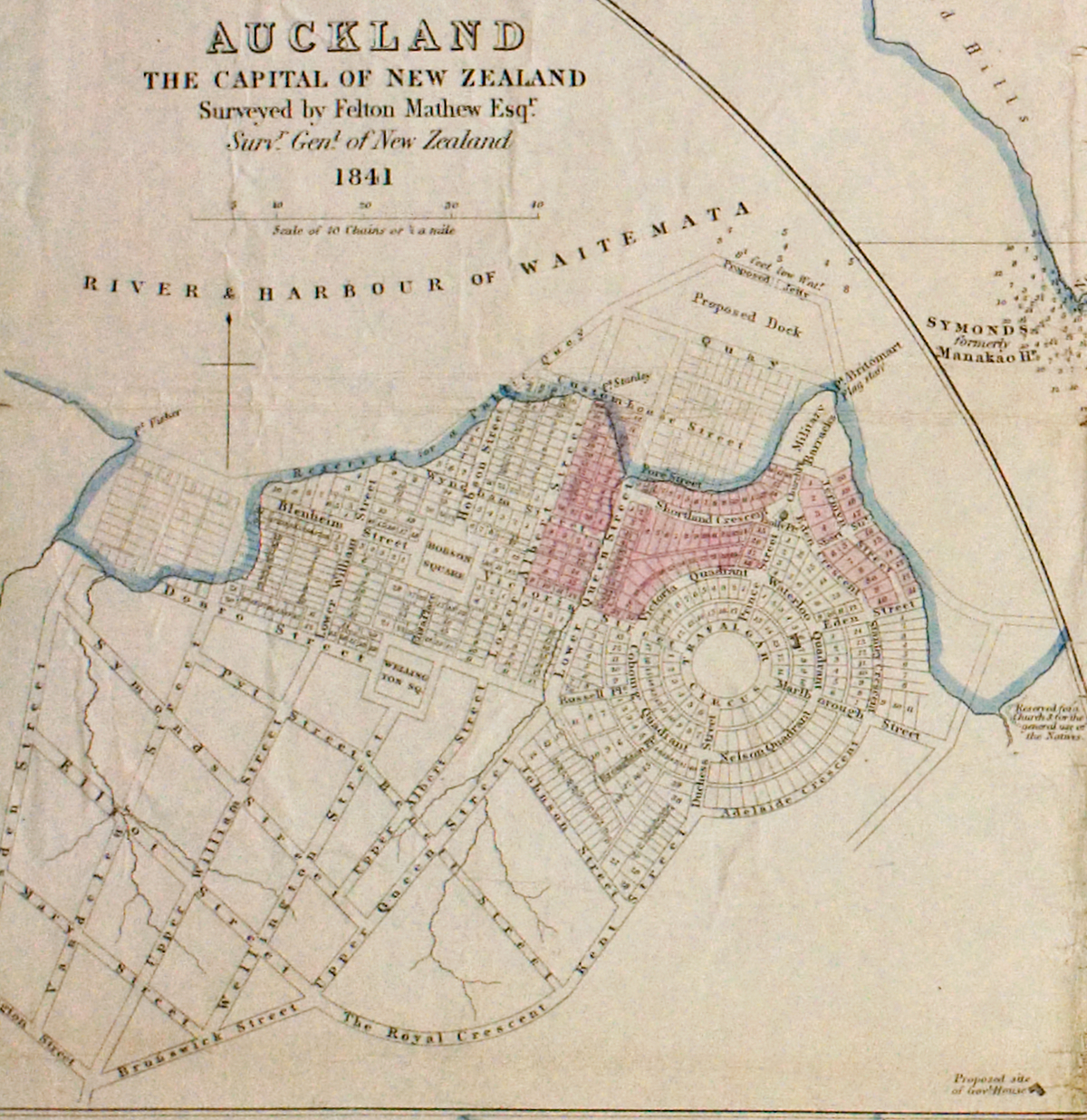
Capital Shift: Okiato to Auckland
New Zealand
Political
3 min read
Updated By: History Editorial Network (HEN)
Published:
In February 1841, the capital of New Zealand was shifted from Russell (formerly known as Okiato) to Auckland. This decision was made to establish a more centralized location for governance and administration in the country. Auckland was chosen for its strategic position, as it was situated between the North and South Islands, making it more accessible for communication and trade.
The move had a significant impact on the development of Auckland as a city. It led to a rapid influx of settlers, government officials, and businesses, boosting the local economy and infrastructure. The construction of government buildings, ports, and roads further solidified Auckland's status as a key urban center in New Zealand.
The shift of the capital also symbolized a shift in power and influence within the young nation. Auckland's growing prominence as the capital reflected its increasing importance in political and economic affairs. The move helped to legitimize Auckland's authority and elevate its status as a leading city in New Zealand.
Overall, the relocation of the capital from Russell to Auckland marked a pivotal moment in New Zealand's history. It not only reshaped the urban landscape of the country but also played a crucial role in shaping the political and economic dynamics of the time.
#NewZealandHistory #CapitalRelocation #AucklandDevelopment
Primary Reference
Capital of New Zealand - Wikipedia

Explore the Life Moments of
 AI Twin