Canterbury Settlement Inception
New Zealand
Economic Impact
4 min read
Updated By: History Editorial Network (HEN)
Published:
Updated:
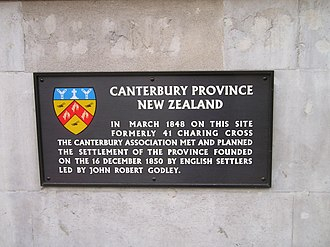
In 1850, the Canterbury settlement was established in New Zealand. This event marked the beginning of a planned British colonization effort in the South Island. The settlement was led by the Canterbury Association, a group formed in England to create a new Church of England colony.
The settlers aimed to create a self-sustaining community based on agriculture and trade. They carefully planned the layout of the settlement, with Christchurch as its main city. The founding of Canterbury attracted migrants from England, Scotland, and Ireland, with a vision of creating a more ordered and class-conscious society.
The impact of the Canterbury settlement was significant. It brought European settlers to New Zealand in greater numbers, leading to cultural and societal changes. The establishment of Christchurch as a prominent city in the region contributed to the economic growth of the area.
The Canterbury settlement laid the foundation for the development of New Zealand's agricultural sector, as settlers established farms and cultivated the land. The arrival of new industries and businesses boosted the local economy and created jobs for the growing population.
Overall, the founding of the Canterbury settlement in 1850 was a pivotal moment in New Zealand's history. It shaped the demographic, economic, and cultural landscape of the region, leaving a lasting impact that can still be seen today.
#CanterburySettlement #NewZealandHistory #BritishColonization #Christchurch #AgriculturalDevelopment
Primary Reference
Canterbury Association - Wikipedia

Explore the Life Moments of
 AI Twin