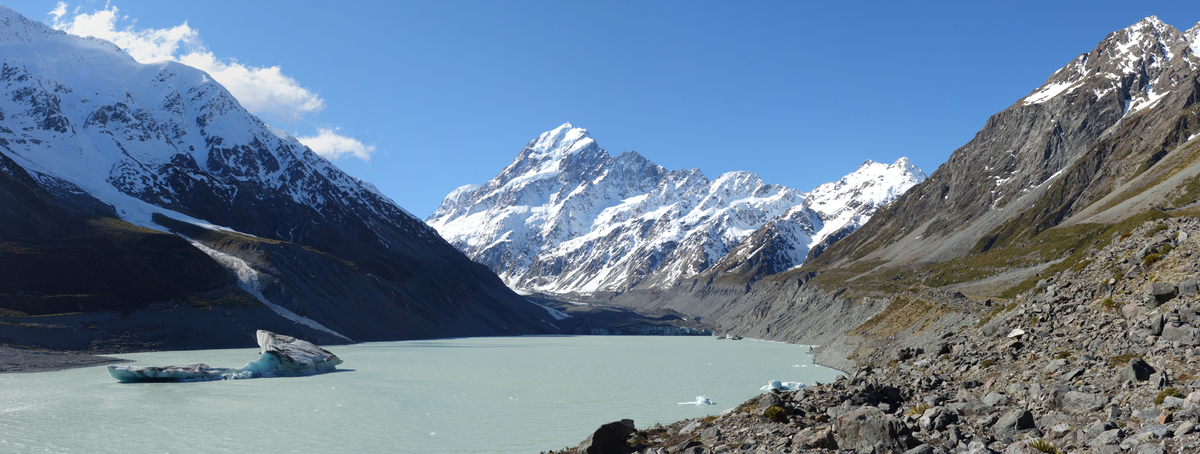
Aoraki / Mount Cook's Height Reduced by 10.5 Metres
New Zealand
Environmental Awareness
Geological
3 min read
Updated By: History Editorial Network (HEN)
Published:
A massive avalanche struck Aoraki / Mount Cook, the highest peak in New Zealand, leading to a reduction in its height by 10.5 meters. The avalanche occurred on the eastern slopes of the mountain, causing a significant change in one of the country's most iconic landmarks.
The impact of the avalanche was profound, altering the physical characteristics of Aoraki / Mount Cook. The collapse resulted in a noticeable decrease in the peak's elevation, marking a transformative moment in the mountain's geological history. The event garnered attention both locally and internationally, drawing interest from geologists, environmentalists, and outdoor enthusiasts alike.
The avalanche exemplified the dynamic and ever-changing nature of mountain landscapes, serving as a reminder of the powerful forces at play in the natural world. It also highlighted the potential hazards associated with mountaineering and outdoor activities in alpine regions, emphasizing the importance of safety measures and risk assessment in such environments.
Overall, the avalanche on Aoraki / Mount Cook in 1991 left a lasting impact on the mountain's physical structure and serves as a significant event in New Zealand's geological history. It stands as a reminder of the unpredictable nature of the natural world and the need for vigilance and environmental awareness in the face of such events.
#AorakiMountCook #Avalanche #NewZealand #GeologicalHistory #NaturalLandscapes #EnvironmentalAwareness

Explore the Life Moments of
 AI Twin