Antarctic Treaty for Scientific Exploration Signed by Countries
New Zealand
Global Trade
Science
4 min read
Updated By: History Editorial Network (HEN)
Published:
Updated:
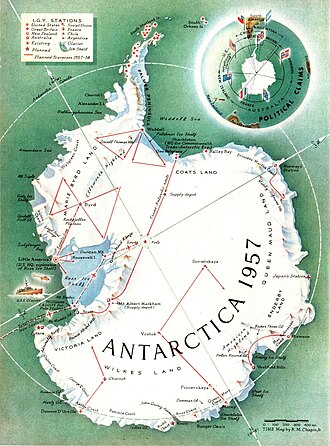
In 1959, the Antarctic Treaty was established among nations engaged in scientific activities in Antarctica. The treaty aimed to promote peaceful cooperation and scientific research on the continent, setting it aside as a region for exploration and study.
Prior to the treaty, Antarctica had been a subject of territorial claims by multiple countries. However, the treaty set aside these disputes and designated Antarctica as a place for peaceful scientific collaboration. It prohibited any military activities, nuclear testing, and disposal of radioactive waste on the continent.
The agreement also recognized the importance of preserving the environment in Antarctica, protecting the delicate ecosystem and wildlife. It established guidelines for the conservation of flora and fauna, ensuring that human activities on the continent would not harm the natural environment.
The Antarctic Treaty has had a lasting impact on international relations and environmental preservation. It has facilitated scientific research in a collaborative manner, leading to discoveries about climate change, ozone depletion, and the continent's unique biodiversity. The treaty has fostered a spirit of cooperation among countries involved in Antarctic exploration, promoting diplomacy and dialogue in a region that could have been a source of conflict.
New Zealand, as a key player in Antarctic scientific research, has been a signatory to the Antarctic Treaty since its inception. The country's efforts in studying the continent's environment, wildlife, and climate have contributed to the global understanding of Antarctica and its importance in the world's ecosystem.
#AntarcticTreaty #ScientificExploration #InternationalCooperation #EnvironmentalPreservation #NewZealand
Explore the Life Moments of
 AI Twin