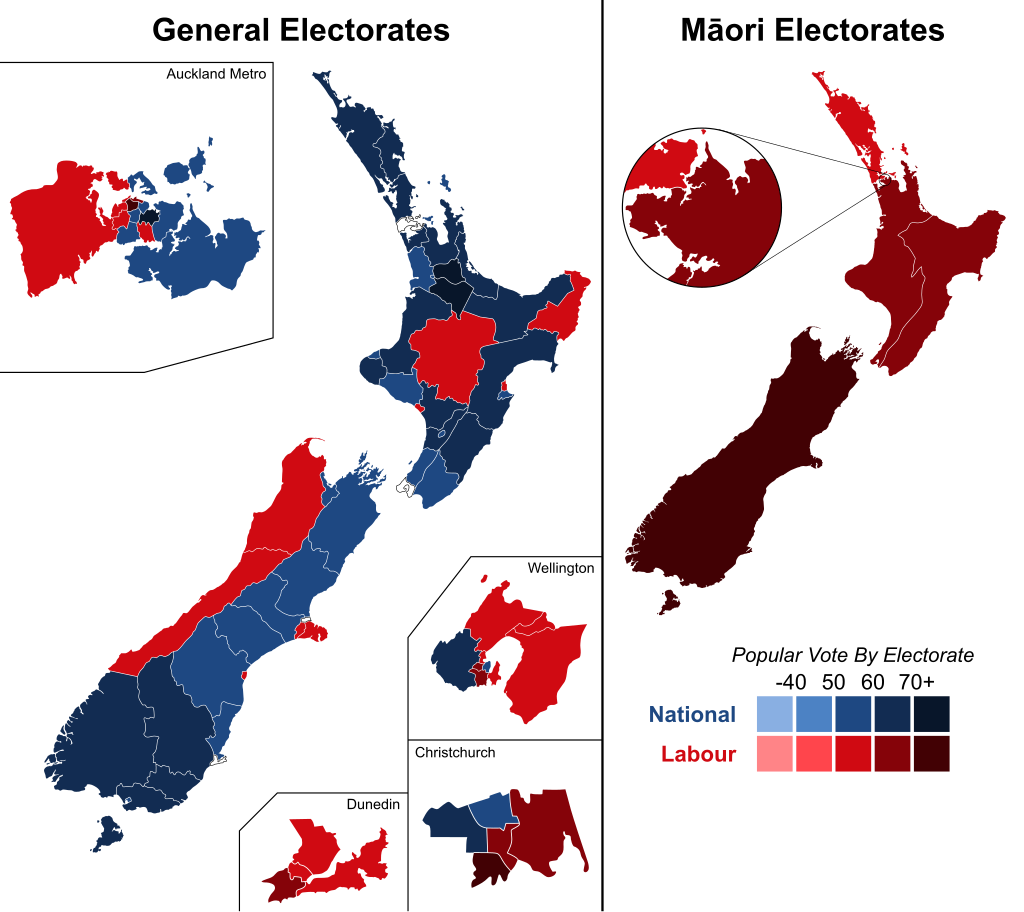
1946 General Election Results
New Zealand
Political
Social Reform
4 min read
Updated By: History Editorial Network (HEN)
Published:
Updated:
The 1946 New Zealand general election marked a significant turning point in the country's political landscape. Following the end of World War II, New Zealanders were eager for change and the opportunity to shape their future. The election saw the Labour Party, under the leadership of Peter Fraser, secure a landslide victory, winning 51 out of 80 seats in the Parliament.
The impact of this election was profound, as it signaled a shift towards progressive policies and social reforms. The Labour government, with its strong mandate, implemented key initiatives such as the introduction of a comprehensive welfare system, the establishment of state housing programs, and the nationalization of key industries. These reforms aimed to create a more equitable society and provide support for those in need.
The outcome of the 1946 election also highlighted the changing priorities of the New Zealand electorate, moving away from the conservative values that had dominated politics in the pre-war years. The Labour Party's focus on social justice, economic development, and international relations resonated with voters who were looking for a brighter future after the turmoil of the war years.
Overall, the 1946 New Zealand general election was a pivotal moment in the country's history, setting the stage for decades of progressive governance and shaping the welfare state that continues to define New Zealand today. The election reflected the aspirations of a nation emerging from the shadows of conflict, determined to build a better society for all its citizens.
#NewZealand #LabourParty #SocialReforms #ProgressivePolicies #WelfareState

Explore the Life Moments of
 AI Twin