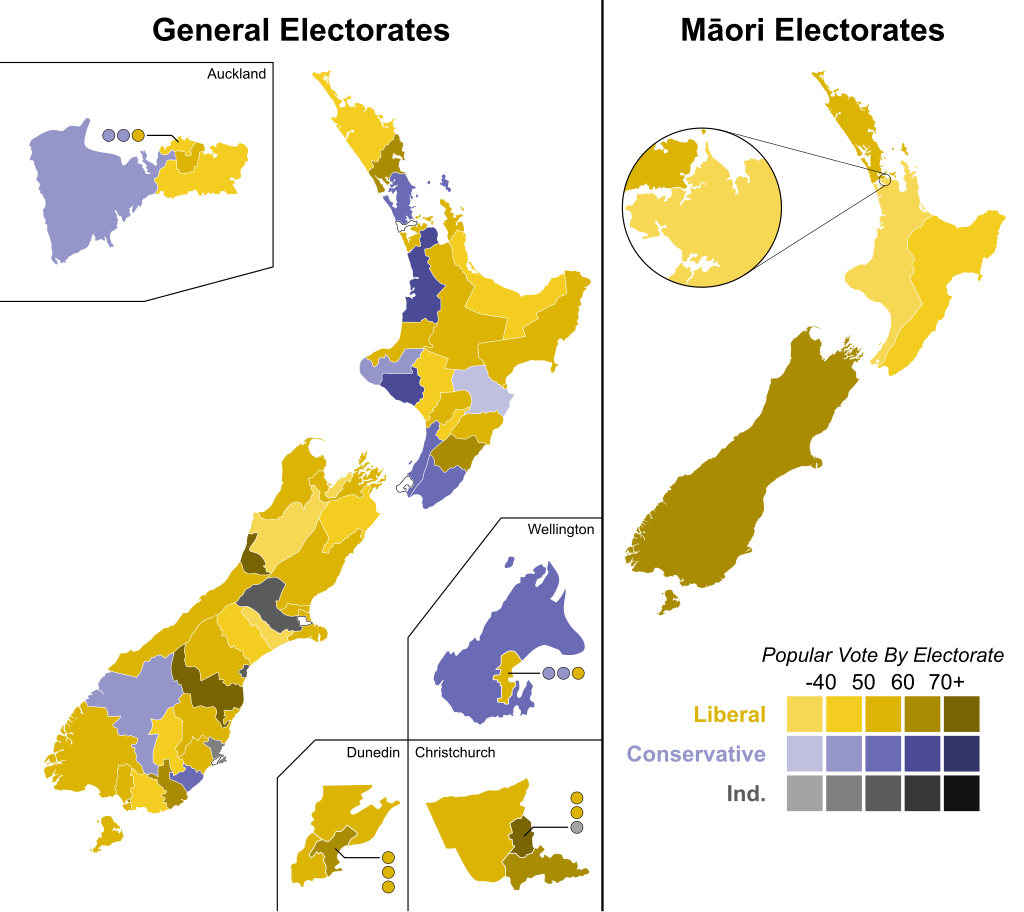
1893 General Election Results
New Zealand
Political
Gender Equality
3 min read
Updated By: History Editorial Network (HEN)
Published:
Updated:
In 1893, New Zealand held its general election, marking a historical turning point. It was a landmark event as it was the first national election in the world where women had the right to vote. The campaign for women's suffrage had been a long and hard-fought battle, culminating in the passing of the Electoral Act earlier that year, granting women the right to vote.
The 1893 general election saw a significant increase in voter turnout, with women eagerly exercising their newfound right alongside male voters. This led to a more diverse and representative democratic process, setting a precedent for gender equality in politics. The election results reflected this shift, with several women's suffrage campaigners standing for office and winning seats in parliament.
The impact of the 1893 general election reverberated far beyond New Zealand's shores, inspiring other countries to consider granting women the right to vote. It was a pivotal moment in the global women's suffrage movement, demonstrating the power of grassroots activism and political mobilization.
Today, the 1893 New Zealand general election serves as a reminder of the importance of inclusivity and equality in the democratic process. It highlights the transformative impact of granting women the right to vote and the vital role they play in shaping the future of nations.
#NewZealand #SuffrageMovement #GenderEquality #DemocraticProgress #PoliticalEmpowerment

Explore the Life Moments of
 AI Twin