Mandela passes away at his home in Johannesburg at the age of 95, leaving behind a global legacy of resilience, forgiveness, and human rights advocacy
Tshwane , United States
7 min read
Updated By: History Editorial Network (HEN)
Published:
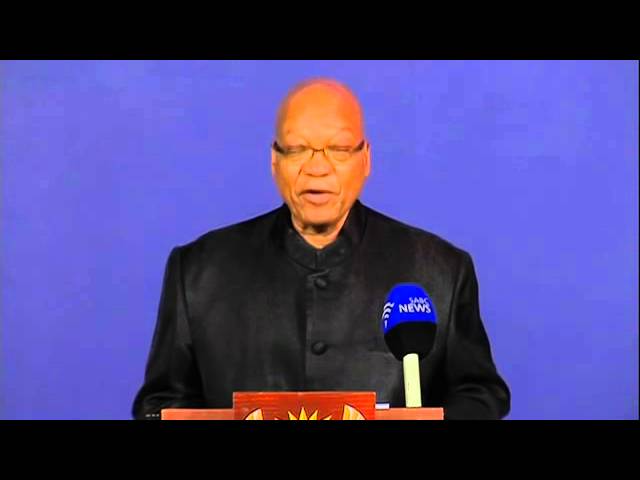
On 05/12/2013, Nelson Rolihlahla Mandela died at his home in Houghton, Johannesburg, South Africa, at the age of 95 after a prolonged respiratory illness. Surrounded by members of his family, Mandela passed away at approximately 20:50 local time. His death was announced later that evening by South African President Jacob Zuma in a televised address to the nation, bringing an end to the life of one of the most widely recognized political figures of the twentieth century.
Mandela's life spanned decades of political struggle, imprisonment, reconciliation, and public service. Born on 18/07/1918 in Mvezo in South Africa's Eastern Cape, he became a leading figure in the African National Congress (ANC) during the campaign against apartheid. Arrested in 1962 and later sentenced to life imprisonment during the Rivonia Trial, Mandela spent 27 years in prison, including long periods on Robben Island, before his release on 11/02/1990. Four years later, he became South Africa's first democratically elected president in the country's first multiracial election.
Following the announcement of his death, South Africa entered a ten-day period of national mourning. Thousands of people gathered outside Mandela's home, at public memorials, and in city centers across the country to pay tribute. Memorial services were held worldwide, while political leaders, royalty, religious figures, and civil society organizations issued statements honoring his life and work. More than 90 foreign states sent representatives to South Africa for memorial events, making Mandela's funeral one of the largest gatherings of international leaders in modern history.
President Zuma described Mandela as South Africa's "greatest son" and said he had "departed" peacefully. Tributes also came from leaders across the world, including U.S. President Barack Obama, who praised Mandela's commitment to justice, equality, and human dignity. Mandela's body lay in state at the Union Buildings in Pretoria from 11/12/2013 to 13/12/2013 before a state funeral was held in Qunu, Eastern Cape, on 15/12/2013, where he was buried.
Throughout his post-presidential years, Mandela remained active in humanitarian causes, particularly in education, conflict resolution, and HIV/AIDS awareness. Even after retiring from public life, his name remained closely associated with reconciliation and democratic transition. His death generated extensive international media coverage and prompted reflections on his role in South Africa's transition from apartheid to constitutional democracy.
Historical Significance
Mandela's death marked the passing of the first president of democratic South Africa and one of the last major global figures directly associated with twentieth-century anti-colonial and civil rights struggles. The scale of the international response reflected the influence he held far beyond South Africa, where his leadership during the country's transition away from apartheid continued to shape political and historical discussions long after his presidency ended.
#NelsonMandela #Mandela #SouthAfrica #Apartheid #HumanRights #Johannesburg #AfricanNationalCongress #History
Primary Reference
Nelson Mandela

Explore the Life Moments of
 AI Twin