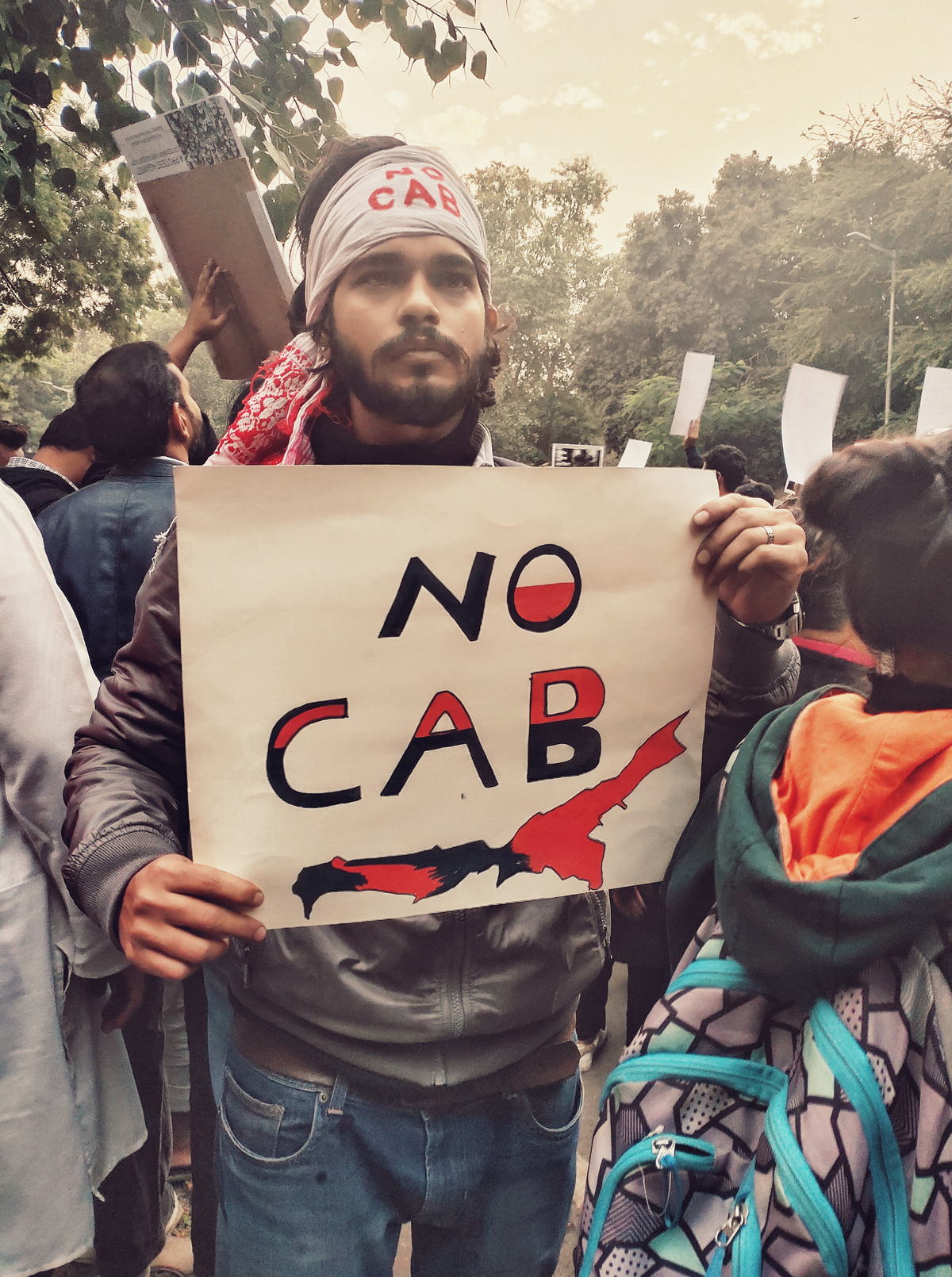
Citizenship Amendment Act Sparks Nationwide Protests
India
Political
Human Rights
5 min read
Updated By: History Editorial Network (HEN)
Published:
The Citizenship Amendment Act (CAA) was introduced in the Indian Parliament and subsequently passed, leading to widespread protests across the nation. The Act aimed to provide a pathway to Indian citizenship for non-Muslim minorities fleeing persecution from neighboring countries such as Pakistan, Bangladesh, and Afghanistan. Specifically, it included Hindus, Sikhs, Buddhists, Jains, Parsis, and Christians.
Critics argued it undermined the secular foundation of the Indian Constitution, which does not allow discrimination based on religion. They pointed out that the CAA, in conjunction with the National Register of Citizens (NRC), could render many Muslims stateless. The fears were compounded by the existing social and communal tensions in various parts of India.
The response to the CAA was polarizing. Proponents of the Act claimed it was a humanitarian gesture aimed at protecting persecuted minorities. However, opponents viewed it as an attempt to redefine Indian citizenship based on religious lines. Protests erupted across various states, with several demonstrations turning violent, leading to clashes between the police and protestors. The government imposed curfews and internet blackouts in some areas to manage the situation.
Statistically speaking, over 25 people lost their lives in clashes related to the protests within the first month. Universities became focal points for anti-CAA demonstrations, with several campuses witnessing significant student mobilization. Internationally, the Act drew criticism from human rights organizations and some governments, who voiced concerns about India's commitment to secularism and pluralism.
In cities like Delhi, Mumbai, and Kolkata, hundreds of thousands of people participated in protest marches. The Shaheen Bagh area in Delhi became iconic, where primarily women staged a prolonged sit-in protest. The demonstrations saw solidarity from various segments of society, including intellectuals, artists, and political figures.
The introduction and the subsequent resistance marked a contentious period in India's sociopolitical landscape, highlighting issues related to citizenship, religious identity, and constitutional values.
#CitizenshipAmendmentAct #Protests #India #HumanRights #NRC #Secularism #ReligiousFreedom #Modi #MoofLife
Primary Reference
CAA: India's new citizenship law explained
Explore the Life Moments of
 AI Twin