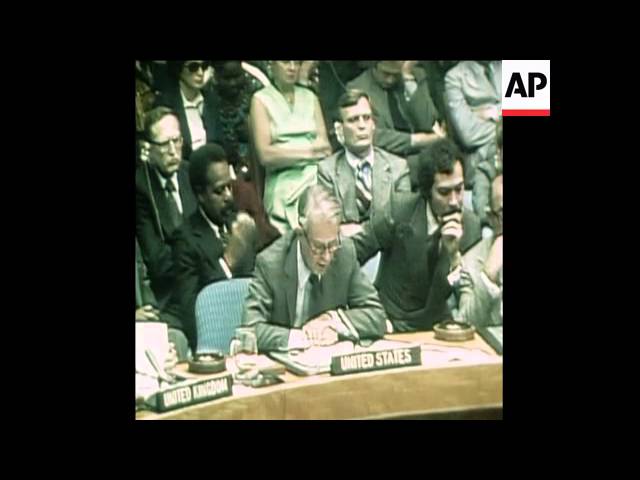
Unilateral Elections Held Despite UN Proposal Boycott
Namibia
Politics
Elections
International Relations
3 min read
Updated By: History Editorial Network (HEN)
Published:
Updated:
In December 1978, South Africa conducted unilateral elections in Namibia, disregarding a United Nations proposal aimed at establishing a democratic process in the territory. This action was met with significant opposition, particularly from the South West Africa People's Organization (SWAPO) and several other political parties, which chose to boycott the elections. The elections were part of South Africa's ongoing administration of Namibia, which it had controlled since the end of World War I. Despite international pressure and the UN's Resolution 435, which called for a transition to independence, South Africa maintained its governance through appointed officials and multiracial coalitions. The elections were criticized for lacking legitimacy, as they did not include the participation of key political groups, thereby undermining the prospects for a peaceful resolution to the conflict in Namibia. The boycott by SWAPO highlighted the deep divisions within Namibian society and the challenges faced in achieving a consensus for self-determination.
#mooflife
#MomentOfLife
#Namibia
#SouthAfrica
#UnProposal
#Swapo
#Elections

Explore the Life Moments of
 AI Twin