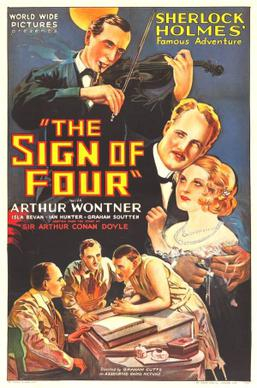
The Sign of Four
Film
Literature
Adaptation
4 min read
Updated By: History Editorial Network (HEN)
Published:
Updated:
The adaptation of 'The Sign of Four' in 1932 represents a notable entry in the cinematic portrayal of Arthur Conan Doyle's Sherlock Holmes. This film is part of a broader trend during the early 20th century where classic literature was being transformed into motion pictures, allowing audiences to engage with these stories in new ways. The narrative follows the iconic detective Sherlock Holmes and his companion Dr. John Watson as they unravel a complex mystery involving a hidden treasure and a secret pact among four convicts. This adaptation is significant as it captures the essence of Doyle's original work while also reflecting the filmmaking techniques and styles of the early 1930s. The film's production utilized the era's technological advancements in cinematography, which enhanced the storytelling experience, making it accessible to a wider audience.
The impact of this adaptation can be seen in its contribution to the legacy of Sherlock Holmes in popular culture. It helped solidify Holmes as a central figure in detective fiction and paved the way for future adaptations in film and television. The 1932 version, while not the first, is part of a lineage that has seen numerous interpretations of Holmes' character and stories. The film's reception also highlights the growing interest in mystery genres during this period, as audiences sought entertainment that combined suspense with intellectual engagement. Overall, the adaptation of 'The Sign of Four' serves as a historical marker in the evolution of detective narratives in cinema, illustrating how classic literature can be reimagined for contemporary audiences while maintaining its core themes and characters.
#mooflife
#MomentOfLife
#SherlockHolmes
#TheSignOfFour
#FilmAdaptation
#DetectiveFiction
#ArthurConanDoyle
Primary Reference
The Sign of Four

Explore the Life Moments of
 AI Twin