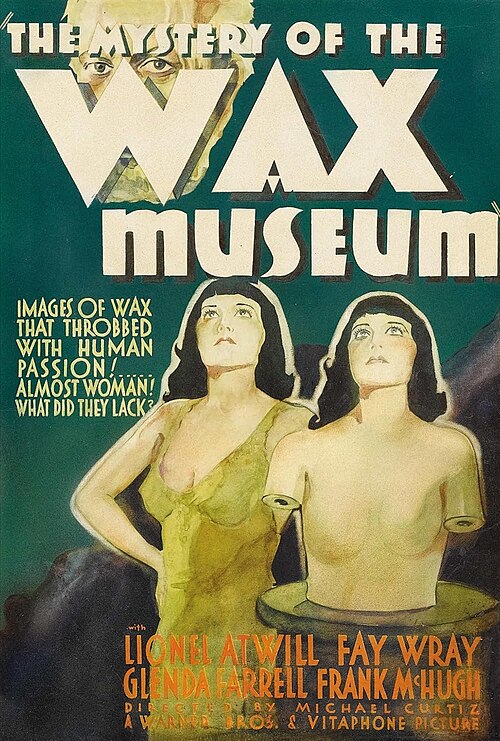
Mystery of the Wax Museum
Film
Horror
Mystery
4 min read
Updated By: History Editorial Network (HEN)
Published:
Updated:
Mystery of the Wax Museum is a mystery horror film that gained attention for its innovative use of early Technicolor, which was a relatively new technology at the time. The film revolves around a wax museum that becomes the center of a series of eerie events, including the mysterious disappearance of its owner and the uncanny resemblance of the wax figures to real-life individuals. The plot intricately weaves together elements of suspense and horror, as a reporter investigates the strange occurrences surrounding the museum. The film's narrative structure and visual style contributed to its lasting impact on the horror genre, influencing subsequent films that sought to blend mystery with supernatural elements. The use of Technicolor not only enhanced the visual appeal but also allowed for a more vivid representation of the wax figures, which played a crucial role in the film's atmosphere and storytelling.
The film was part of a broader trend in the early 1930s where filmmakers began experimenting with color in cinema, moving away from the monochrome films that dominated the silent era. Mystery of the Wax Museum was notable for its artistic direction and the way it utilized color to evoke emotions and enhance the narrative. The film's success helped pave the way for future horror films that would adopt similar techniques, establishing a template for how color could be used effectively in the genre. Its influence can be seen in later works that explore themes of identity, death, and the uncanny, making it a significant entry in the history of horror cinema. The film remains a point of reference for discussions about the evolution of horror films and the role of technological advancements in shaping cinematic experiences.
#mooflife
#MomentOfLife
#MysteryOfTheWaxMuseum
#HorrorFilm
#Technicolor
#EarlyCinema
#FilmHistory
Primary Reference
Mystery of the Wax Museum

Explore the Life Moments of
 AI Twin