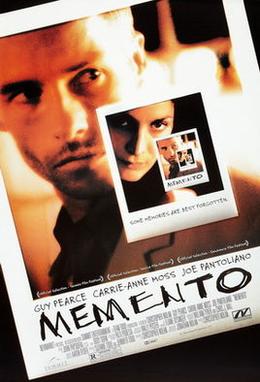
Memento
Film
Analysis
Memento
4 min read
Updated By: History Editorial Network (HEN)
Published:
Updated:
Memento is a psychological thriller directed by Christopher Nolan, recognized for its innovative narrative structure that unfolds in reverse chronological order. This approach allows the audience to experience the protagonist's struggle with short-term memory loss in a visceral manner, as they piece together the fragmented story alongside him. The film follows Leonard Shelby, who is on a quest to find the person responsible for his wife's murder, but his condition prevents him from forming new memories. As a result, he relies on notes, photographs, and tattoos to keep track of information, creating a complex interplay between memory and identity. This narrative technique not only engages viewers but also challenges their perception of time and reality, making them question the reliability of memory itself.
The impact of Memento on the thriller genre is profound, as it paved the way for non-linear storytelling in mainstream cinema. The film's structure has influenced numerous filmmakers and has been analyzed in various academic discussions regarding narrative theory. Memento's success is reflected in its critical acclaim and its ability to provoke thought about the nature of memory and truth. The film has garnered a cult following and is often cited as one of the best films of its era, showcasing how innovative storytelling can enhance the emotional depth and complexity of a narrative. Its exploration of themes such as revenge, identity, and the subjective nature of reality continues to resonate with audiences, solidifying its place in cinematic history.
#mooflife
#MomentOfLife
#Memento
#ChristopherNolan
#NarrativeStructure
#PsychologicalThriller
#Non-linearStorytelling
Primary Reference
Memento

Explore the Life Moments of
 AI Twin