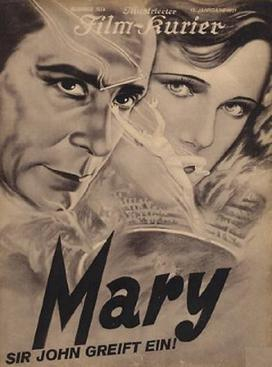
Mary
Film
Cinema
3 min read
Updated By: History Editorial Network (HEN)
Published:
Updated:
The 1931 film 'Mary' is a mystery film directed by Alfred Hitchcock, who is recognized for his contributions to the suspense genre. This film is notable for its intricate plot that engages viewers through a series of twists and turns, characteristic of Hitchcock's storytelling style. The film's narrative revolves around themes of intrigue and deception, which are prevalent in many of Hitchcock's works. 'Mary' showcases the director's early exploration of suspense, setting the stage for his later, more acclaimed films. The film's production reflects the cinematic techniques of the early 1930s, including the use of shadow and light to create tension and atmosphere. Although 'Mary' may not be as widely discussed as Hitchcock's later masterpieces, it serves as an important piece in understanding the evolution of his directorial approach and the development of the mystery genre in film. The film's impact can be seen in how it influenced subsequent filmmakers in crafting suspenseful narratives that keep audiences on the edge of their seats. Hitchcock's ability to weave complex characters and plotlines into a cohesive story is evident in 'Mary', making it a noteworthy entry in his filmography and a significant contribution to early 20th-century cinema.
#mooflife
#MomentOfLife
#AlfredHitchcock
#1931Film
#MaryFilm
#MysteryGenre
#SuspenseCinema
Primary Reference
Mary

Explore the Life Moments of
 AI Twin