Mongol Conquest of Yunnan and Its Impact on the Bamar
Myanmar
Mongol Empire
Bamar
3 min read
Updated By: History Editorial Network (HEN)
Published:
Updated:
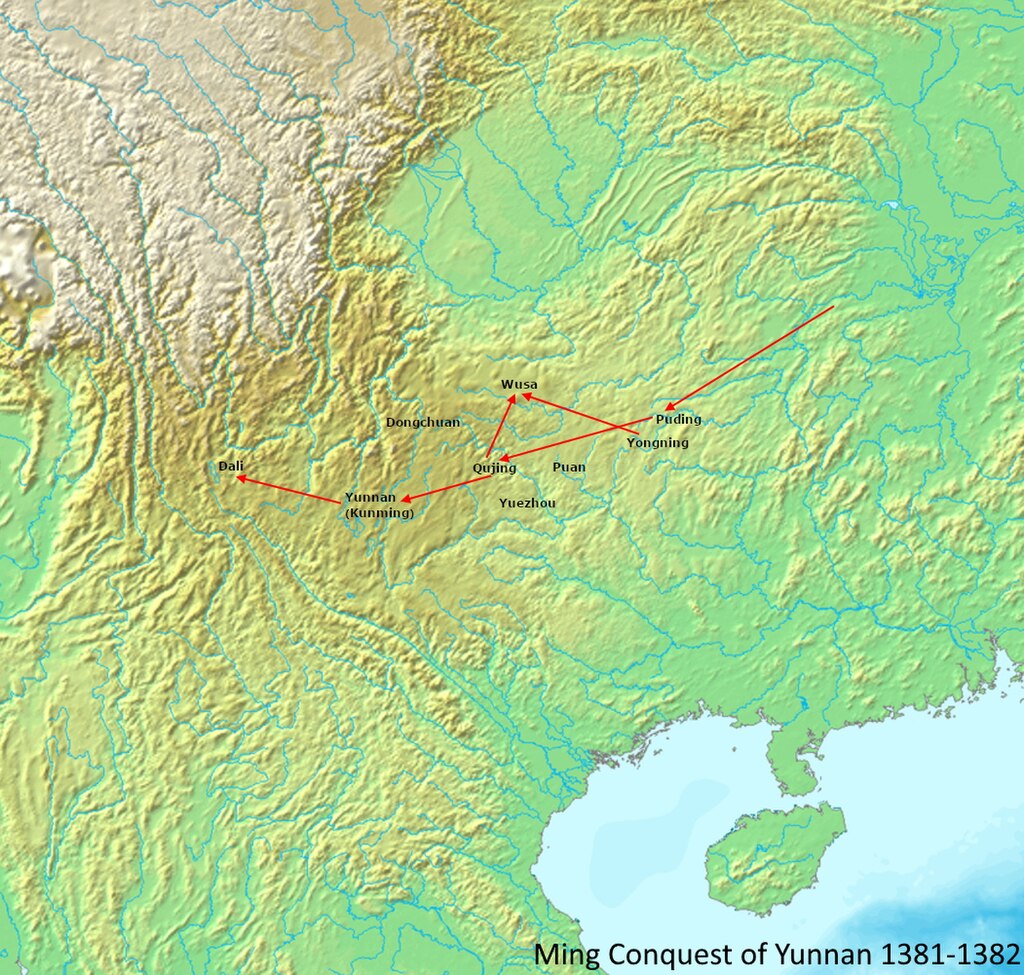
The Mongol conquest of Yunnan, which began in the mid-13th century, had far-reaching consequences for the region, particularly for the Bamar people of central Burma. Following their successful campaign in Yunnan, the Mongols turned their attention to the Pagan Empire, which was the dominant power in central Burma at the time. In response to a diplomatic crisis involving an embassy, the Mongols launched a military campaign that culminated in the sack of Pagan. This event was pivotal as it marked the decline of the Pagan Empire, which had been a significant political and cultural center in the region. The Mongol forces, known for their military prowess and strategic tactics, effectively dismantled the existing power structures, leading to a power vacuum in central Burma.
The impact of the Mongol invasion on the Bamar was profound. The fall of Pagan not only ended its rule but also initiated a period of instability and fragmentation in the region. The Mongol presence in Burma facilitated the rise of new powers, such as the Myinsaing Kingdom, which emerged from the chaos left in the wake of the Mongol sack. This transition altered the political landscape, as local rulers began to assert their authority in the absence of a centralized power. The Mongol conquest thus set the stage for significant changes in governance, culture, and social structures among the Bamar, influencing the trajectory of Burmese history for generations to come.
#mooflife
#MomentOfLife
#MongolConquest
#Yunnan
#Bamar
#PaganEmpire
#BurmaHistory

Explore the Life Moments of
 AI Twin