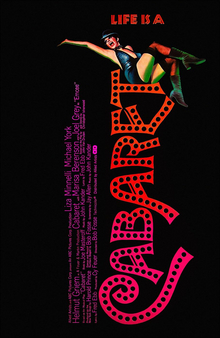
Cabaret
Entertainment
Historical Drama
Musical
4 min read
Updated By: History Editorial Network (HEN)
Published:
Updated:
The film 'Cabaret' presents a narrative set in Weimar Berlin, a period marked by political upheaval and cultural vibrancy. The story revolves around a female entertainer in a cabaret, who navigates her romantic entanglements with two men against the backdrop of the rising Nazi Party. This juxtaposition of personal and political turmoil highlights the complexities of life during a time of significant societal change. The film captures the essence of the era, showcasing the nightlife and the artistic expressions that flourished despite the looming threat of fascism. The performances by Liza Minnelli and Joel Grey are central to the film's impact, bringing to life the struggles and aspirations of individuals in a society on the brink of transformation. The music, both adapted and original, plays a crucial role in conveying the emotional landscape of the characters, making it a memorable experience for audiences.
The Weimar Republic was known for its liberal policies and cultural experimentation, which fostered a unique environment for the arts. However, this period was also characterized by economic instability and political extremism. The rise of the Nazi Party marked a turning point, leading to the suppression of artistic expression and the persecution of those who opposed their ideology. 'Cabaret' serves as a poignant reminder of this historical context, illustrating how personal lives were irrevocably altered by the political climate. The film not only entertains but also educates viewers about the consequences of political ideologies on everyday life, making it a significant cultural artifact that resonates with contemporary audiences.
#mooflife
#MomentOfLife
#WeimarBerlin
#Cabaret
#NaziParty
#CulturalHistory
#MusicalFilm
Primary Reference
Cabaret

Explore the Life Moments of
 AI Twin