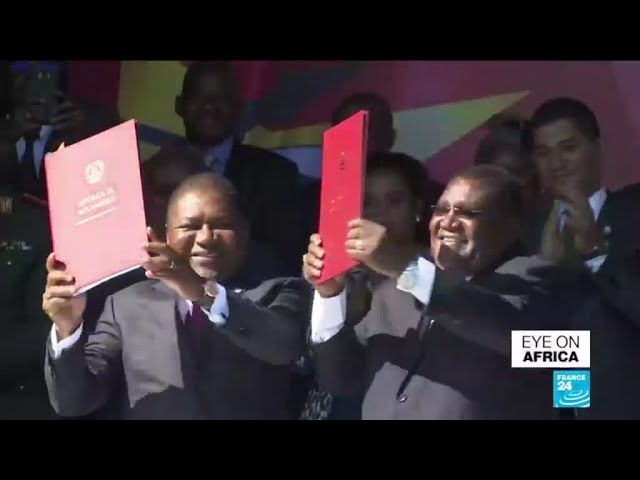
Guebuza and Dhlakama Sign Accord on Cessation of Hostilities in Northern Regions
Mozambique
Politics
International Relations
Conflict Resolution
3 min read
Updated By: History Editorial Network (HEN)
Published:
Updated:
On September 5, 2014, a significant milestone in Mozambique's political landscape was achieved when President Armando Guebuza and RENAMO leader Afonso Dhlakama signed the Accord on Cessation of Hostilities. This agreement marked the end of a low-intensity insurgency that had persisted from 2013 to 2019, primarily affecting the central and northern regions of the country. The cessation of military hostilities allowed both parties to redirect their focus towards the upcoming general elections scheduled for October 2014. However, the political climate remained tense post-elections, as RENAMO contested the legitimacy of the election results. The party's refusal to accept the outcome led to demands for control over six provinces, including Nampula, Niassa, and Tete. This situation underscored the fragility of the peace achieved through the Accord and highlighted the ongoing challenges in Mozambique's political reconciliation process. The events following the Accord illustrate the complexities of transitioning from conflict to democratic governance, emphasizing the need for continued dialogue and negotiation to ensure lasting peace and stability in the region.

Explore the Life Moments of
 AI Twin