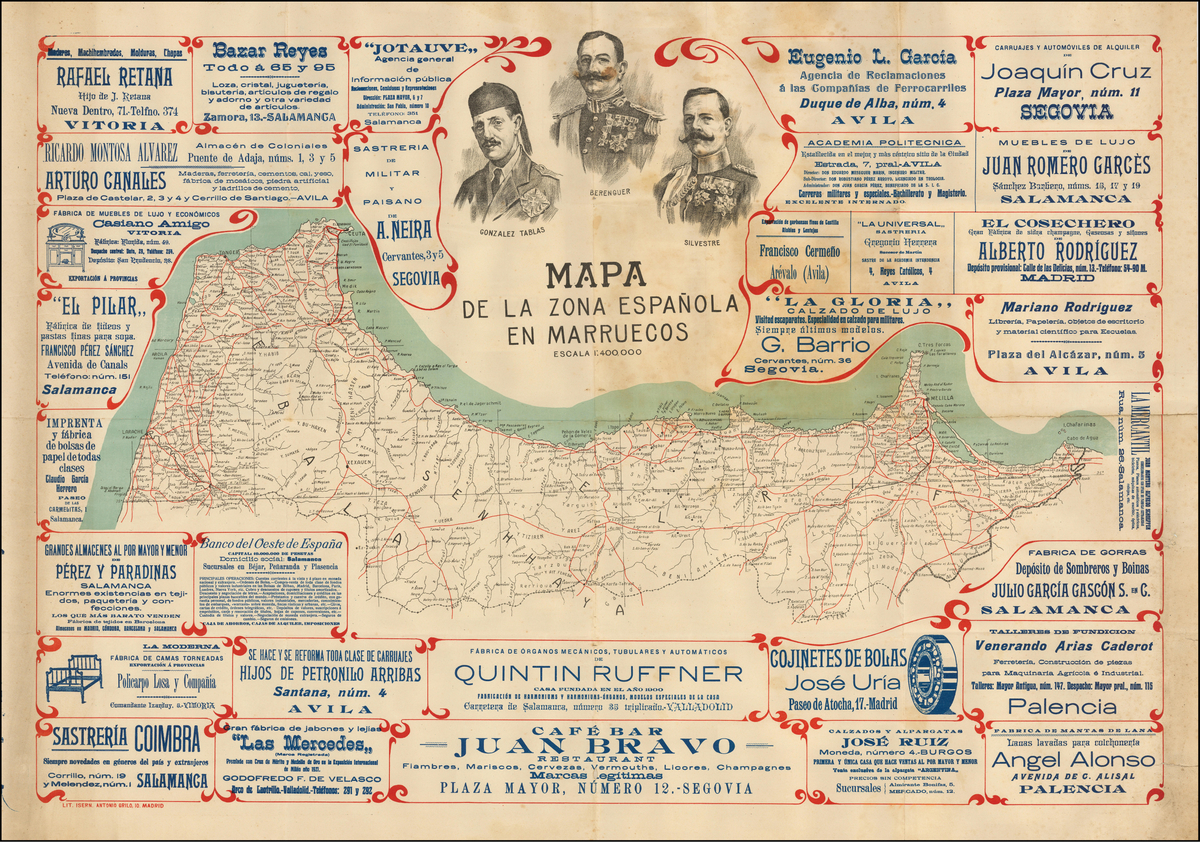
Northern strip of Spanish Sahara ceded to Morocco

Political
Global Trade
4 min read
Updated By: History Editorial Network (HEN)
Published:
The cession of the northern strip of Spanish Sahara to Morocco marked a pivotal moment in the region's history. Following negotiations between Spain and Morocco, an agreement was reached to transfer control of this territory to Morocco. The northern strip was strategically important due to its phosphates deposits and coastal access.
This event occurred amidst growing international pressure for decolonization in the post-World War II era. Spain's decision to cede the territory to Morocco was influenced by shifting geopolitical dynamics and the desire to address mounting calls for self-determination by the Sahrawi people. The cession was also part of larger efforts by Spain to gradually disengage from its colonial holdings in Africa.
The transfer of the northern strip of Spanish Sahara to Morocco had significant implications for the region. It set the stage for future territorial disputes and tensions, particularly regarding the status of Western Sahara. The legacy of this event continues to shape the political landscape in North Africa, with ongoing debates over sovereignty and self-determination for the Sahrawi people.
Overall, the cession of the northern strip of Spanish Sahara to Morocco reflected broader trends of decolonization and realignment of colonial territories in the mid-20th century. The event served as a turning point in the history of the region and has had lasting repercussions on the political dynamics of North Africa.
#SpanishSahara #Morocco #Decolonization #TerritorialDisputes #SelfDetermination
Primary Reference
Spanish protectorate in Morocco - Wikipedia
Explore the Life Moments of
 AI Twin