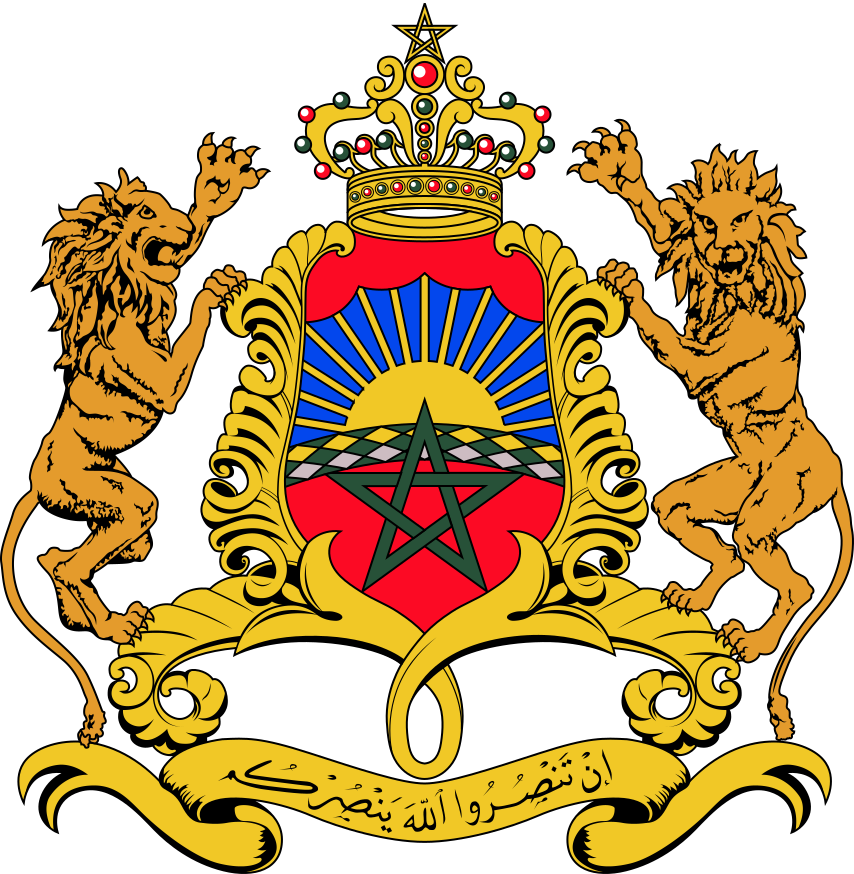
New constitution establishes constitutional monarchy

Political
4 min read
Updated By: History Editorial Network (HEN)
Published:
In 1962, a new constitution was introduced in Morocco, establishing a constitutional monarchy. This marked a significant shift in the country's political structure, transitioning from an absolute monarchy to a system that shared power between the monarchy and elected officials.
The background of this constitutional change can be traced back to the aftermath of independence from French and Spanish colonial rule in 1956. King Mohammed V, the predecessor of King Hassan II, played a pivotal role in securing independence for Morocco and was highly respected by the Moroccan people. However, after his death in 1961, his son, King Hassan II, faced growing calls for political reforms from various factions within the country.
In response to these demands, King Hassan II introduced the new constitution, which aimed to decentralize power and establish a framework for democratic governance. The constitution outlined the roles and responsibilities of the monarch, government, and parliament, setting the stage for a more participatory political system.
The impact of this constitutional change was significant, as it laid the foundation for modern political institutions in Morocco. It allowed for the formation of political parties, free elections, and a more transparent government. While the monarchy retained a significant amount of power, the new constitution guaranteed certain rights and freedoms for Moroccan citizens, paving the way for greater political participation and civil liberties.
Overall, the introduction of the new constitution establishing a constitutional monarchy in 1962 marked a turning point in Morocco's political development. It set the country on a path towards greater democratization and paved the way for a more open and inclusive political system.
#Morocco #ConstitutionalMonarchy #PoliticalReform
Primary Reference
Constitutional history of Morocco | ConstitutionNet

Explore the Life Moments of
 AI Twin