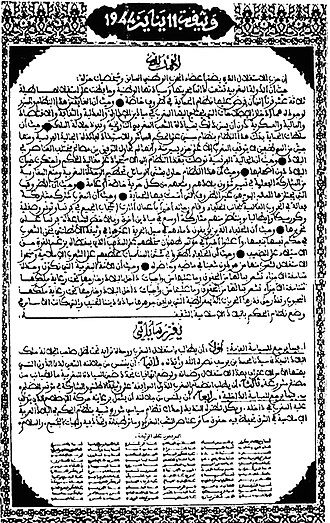
Morocco breaks free from French and Spanish rule
Political
4 min read
Updated By: History Editorial Network (HEN)
Published:
Morocco's independence from France and Spain marked the end of colonial rule in the North African country. The journey to independence was a long and arduous one, marked by resistance movements and political negotiations. The Sultan Mohammed V played a crucial role in advocating for independence and rallying support from the Moroccan people.
As pressure mounted both internationally and domestically, France and Spain eventually recognized Morocco as an independent nation. The independence agreement not only granted Morocco its sovereignty but also allowed for the return of exiled leaders, like Sultan Mohammed V, back to their homeland.
The independence of Morocco had far-reaching implications, not just for the country itself but for the region as a whole. It served as a symbol of liberation for other North African nations still under colonial rule and inspired similar independence movements across the continent.
Morocco's newly gained independence also paved the way for the country to establish itself as a key player in regional and international affairs. The nation focused on nation-building, economic development, and strengthening diplomatic ties with other countries. The legacy of independence continues to shape Morocco's identity and political landscape to this day.
The event of Morocco gaining independence from France and Spain is a watershed moment in the nation's history, symbolizing the triumph of self-determination and the resilience of its people. The struggle for independence and the eventual victory serve as a reminder of the importance of unity, perseverance, and the pursuit of freedom in the face of adversity. #Morocco #Independence #ColonialLegacy
Primary Reference
Independence for Morocco and Tunisia - Decolonisation ...
Explore the Life Moments of
 AI Twin