First Moroccan Crisis and the Algeciras Conference

Political
Global Trade
4 min read
Updated By: History Editorial Network (HEN)
Published:
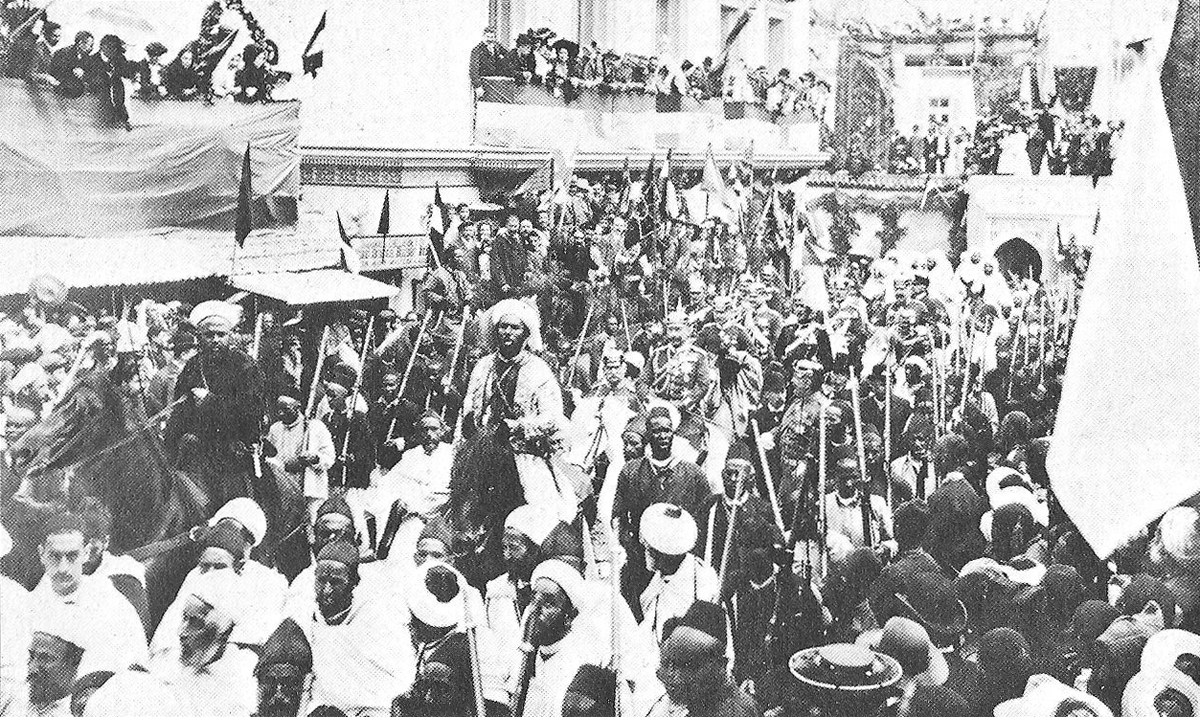
At the onset of the First Moroccan Crisis in 1905, tensions escalated as European powers vied for control over Morocco's sovereignty and resources. Germany, disputing French influence, sparked the crisis by endorsing Moroccan independence, threatening the balance of power in Europe. Amidst diplomatic maneuvers and military posturing, the situation, deteriorated, leading to fears of a full-blown conflict.
The event's impact was profound, drawing attention to the fragility of European alliances and the potential for wider conflicts. As Germany and France stood at loggerheads, other nations were forced to take sides or risk being drawn into the escalating crisis. The political landscape of the time was in upheaval, with alliances being tested and loyalties shifting, underscoring the fragile peace that existed in Europe.
In response to the growing tensions, the Algeciras Conference was convened, bringing together global powers to negotiate a resolution to the crisis. The conference provided a platform for diplomatic discourse, leading to agreements that sought to defuse the situation and prevent further escalation. Ultimately, the crisis was resolved through diplomatic means, averting a catastrophic conflict that could have engulfed the continent.
The First Moroccan Crisis and the subsequent Algeciras Conference highlighted the complexities of European power dynamics and the precarious balance of peace that existed at the time. It underscored the challenges of maintaining stability in an era marked by competing national interests and imperial ambitions.
#FirstMoroccanCrisis #AlgecirasConference #EuropeanPowers #Diplomacy #GlobalTensions
Primary Reference
The First Moroccan Crisis | March 31, 1905 | HISTORY
Explore the Life Moments of
 AI Twin