Treaty of Bucharest and Russian Expansion After Russo-Turkish War
Moldova
International Relations
3 min read
Updated By: History Editorial Network (HEN)
Published:
Updated:
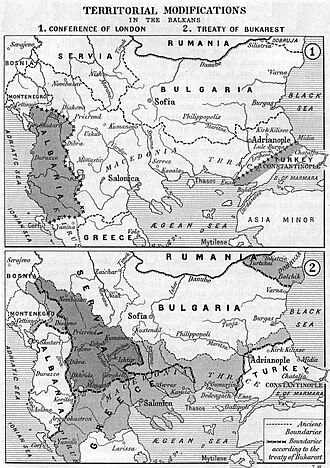
The Treaty of Bucharest marked a pivotal moment in the territorial expansion of the Russian Empire following the Russo-Turkish War. This agreement resulted in Russia's annexation of the eastern half of the Principality of Moldavia, an area that became known as Bessarabia. The treaty not only solidified Russia's influence in the region but also altered the geopolitical landscape of Eastern Europe. The annexation of Bessarabia represented a significant increase in Russian territory, amounting to approximately 50% of the region, which had implications for both local governance and the balance of power among neighboring states.
The impact of the Treaty of Bucharest extended beyond mere territorial gains. It facilitated the Russian Empire's strategic positioning in the Black Sea region and contributed to its aspirations for further expansion into the Balkans and beyond. The annexation of Bessarabia also affected the demographic and cultural composition of the area, as Russian policies aimed at integrating the newly acquired territories into the empire. This expansionist policy set the stage for future conflicts and negotiations in the region, as the Ottoman Empire and other powers sought to counterbalance Russian influence. Overall, the Treaty of Bucharest was a crucial step in the Russian Empire's growth and its ambitions in Eastern Europe.
#mooflife
#MomentOfLife
#TreatyOfBucharest
#RussianEmpire
#Russo-turkishWar
#Bessarabia
#EasternEurope

Explore the Life Moments of
 AI Twin