Moldavia Becomes a Vassal of the Ottoman Empire
Moldova
Historical Events
Ottoman Empire
Moldavian History
4 min read
Updated By: History Editorial Network (HEN)
Published:
Updated:
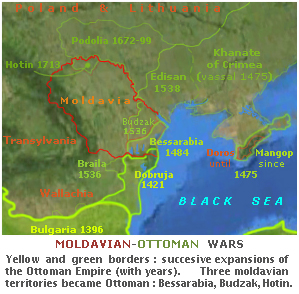
Moldavia's status as a vassal of the Ottoman Empire marked a pivotal shift in its political landscape. As a vassal, Moldavia was required to pay a percentage of its internal revenue to the Ottoman authorities, which eventually increased to 10%. This financial obligation was a significant aspect of the relationship, as it underscored the economic dependency Moldavia had on the empire. While Moldavia was prohibited from engaging in foreign relations that could undermine Ottoman interests, it managed to maintain a degree of internal autonomy. This autonomy allowed Moldavia to exercise control over its foreign trade, which was crucial for its economy. The arrangement provided Moldavia with a level of self-governance, but it also limited its ability to forge independent diplomatic ties, thereby constraining its political maneuverability in the region.
The impact of Moldavia's vassalage was profound, as it shaped the region's geopolitical dynamics. The Ottoman Empire's influence over Moldavia meant that the latter had to navigate a complex relationship with its powerful neighbor while attempting to preserve its own interests. The restrictions on foreign relations often forced Moldavia to find creative ways to engage with other states, sometimes leading to clandestine alliances. This period also saw the Ottoman Empire solidifying its control over Eastern Europe, with vassal states like Moldavia playing a crucial role in its broader strategy. The economic and political implications of this vassalage would resonate throughout the region, influencing the course of Moldavian history and its interactions with neighboring powers.
#mooflife
#MomentOfLife
#Moldavia
#OttomanEmpire
#Vassalage
#EasternEurope
#ForeignTrade

Explore the Life Moments of
 AI Twin