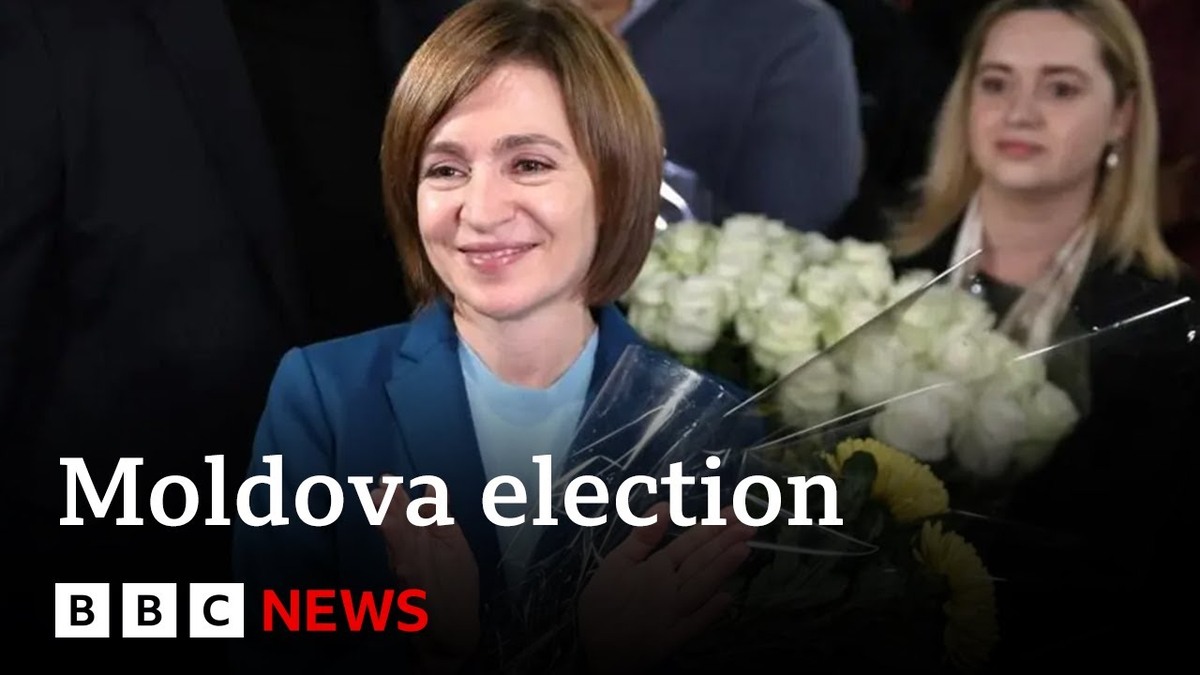
Maia Sandu Elected as President
Moldova
Politics
Elections
International Relations
4 min read
Updated By: History Editorial Network (HEN)
Published:
Updated:
Maia Sandu's election as president marked a pivotal shift in Moldova's political landscape. As a pro-European opposition candidate, her victory in the presidential election signified a strong public mandate for reform and alignment with European values. Sandu became the first female president of Moldova, breaking gender barriers in a country where political leadership has been predominantly male. Her election followed the resignation of Prime Minister Ion Chicu, which occurred just a day prior to her inauguration. This transition highlighted the political tensions within the country, particularly as the parliament remained under the control of pro-Russian Socialists, who rejected any Prime Minister candidates proposed by Sandu. This political impasse underscored the challenges Sandu faced in implementing her agenda and navigating the complex dynamics between pro-European and pro-Russian factions within Moldova's governance structure.
The impact of Sandu's presidency extends beyond domestic politics; it reflects broader geopolitical trends in Eastern Europe, where nations are increasingly grappling with their identities and alliances. Her administration's focus on anti-corruption measures and strengthening ties with the European Union resonated with a populace eager for change. Statistics indicate that public support for pro-European policies has been on the rise, suggesting a shift in public sentiment towards integration with Western institutions. Sandu's presidency is seen as a crucial step in Moldova's ongoing efforts to redefine its path amidst regional instability and external pressures.
#mooflife
#MomentOfLife
#MaiaSandu
#Moldova
#PresidentialElection
#Pro-european
#FemalePresident

Explore the Life Moments of
 AI Twin