Windows for Workgroups 3.1 released
United States
Operating Systems
Networking
Software Releases
4 min read
Updated By: History Editorial Network (HEN)
Published:
Updated:
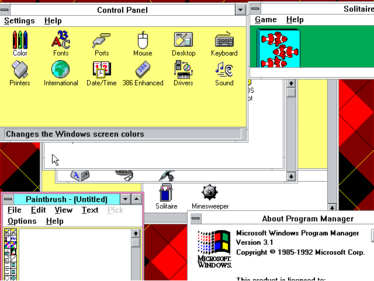
On 27/10/1992, Microsoft officially released Windows for Workgroups 3.1, a version of Windows designed to add integrated networking capabilities to personal computers. Known internally by codenames including "Winball" and "Sparta," the release built upon Windows 3.1 and introduced built in peer to peer networking. This allowed users on local area networks to share files and printers directly between PCs without requiring a dedicated server. The product targeted small businesses and workgroups that needed collaboration features but did not operate centralized network infrastructure.
Windows for Workgroups 3.1 included native support for network file sharing, printer sharing, and Microsoft Mail for internal messaging. It also integrated network drivers and configuration tools directly into the operating system, reducing the need for third party networking software. The system supported common networking standards of the time such as NetBEUI and could connect to larger networks running Microsoft LAN Manager or other compatible systems. By bundling networking into Windows, Microsoft expanded Windows from a standalone graphical environment into a platform designed for connected office computing.
The release reflected the growing importance of local networking in early 1990s workplaces, where multiple PCs increasingly needed to share resources. Windows for Workgroups 3.1 helped standardize peer to peer networking on DOS based PCs and paved the way for later networking features in Windows for Workgroups 3.11 in 1993 and Windows 95 in 1995.
#mooflife
#MomentOfLife
#WindowsForWorkgroups
#Microsoft
#NetworkingSoftware
#BusinessSoftware
#OperatingSystems
Primary Reference
The History of Microsoft - 1992

Explore the Life Moments of
 AI Twin