Release of Windows XP and Office XP
New York City, United States
Operating Systems
Software Development
Product Releases
3 min read
Updated By: History Editorial Network (HEN)
Published:
Updated:
On 25/10/2001, Microsoft released Windows XP to retail customers worldwide, marking the global availability of the new operating system. Microsoft Chairman Bill Gates introduced Windows XP at a launch event held at the Marriott Marquis Theatre in Times Square, New York City. The release unified Microsoft’s consumer and business operating systems under a single platform built on the Windows NT architecture.
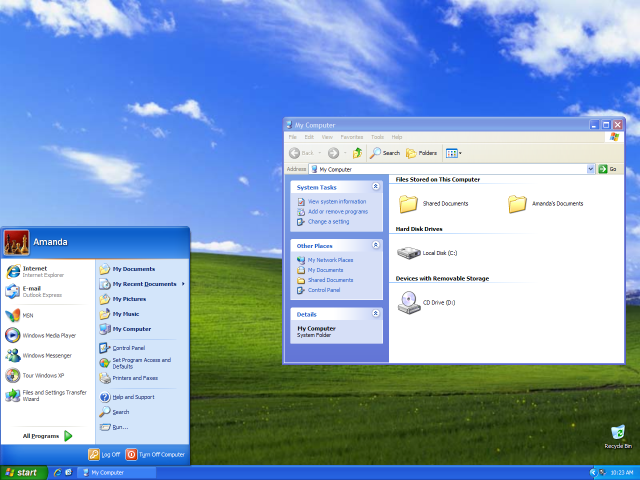
Windows XP launched in two main editions: Home Edition, which replaced Windows Me for consumers, and Professional Edition, which succeeded Windows 2000 for business users. The operating system introduced a redesigned user interface, improved device support, and enhanced networking capabilities. Microsoft also emphasized improved system stability compared with earlier consumer versions of Windows that were based on MS-DOS.
The launch was supported by a global marketing campaign reportedly valued at approximately $1 billion under the slogan “Yes You Can.” Windows XP became the first widely adopted consumer version of Windows built on the NT kernel, providing improved reliability and performance across home and business environments.
#mooflife
#MomentOfLife
#WindowsXp
#OfficeXp
#Microsoft
#SoftwareRelease
#OperatingSystem
Primary Reference
History of Microsoft

Explore the Life Moments of
 AI Twin