Michelangelo's Victory Sculpture: A Pivotal Departure Towards Mannerism in Art
Italy
Art
Renaissance
4 min read
Updated By: History Editorial Network (HEN)
Published:
Updated:
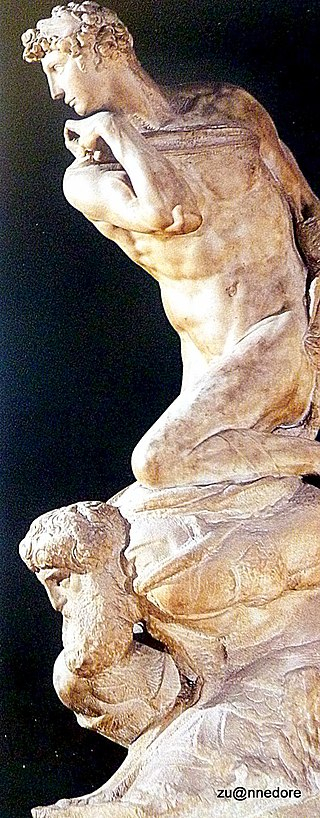
Michelangelo crafted the Victory sculpture, which became pivotal in the evolution of artistic forms. Aimed at embodying triumph, the sculpture depicts a youthful figure overpowering an older, defeated one. Its dynamic pose and twisted forms marked a departure from the classical balance and proportion that dominated Renaissance art. This work foreshadowed the Mannerist style, which gained popularity for its complex compositions and exaggerated anatomical forms.
Michelangelo's approach in Victory emphasized movement and tension, providing a counterpoint to the harmonious and static figures characteristic of classical antiquity. By manipulating the human form to express heightened emotion and narrative complexity, the Victory sculpture influenced a generation of artists. It showcased the potential for the human body to convey intricate stories and deeper psychological states.
The introduction of these twisting forms played a crucial role in the transition from High Renaissance ideals to the more expressive and experimental tendencies of Mannerism. This artistic shift expanded the vocabulary of European sculpture and paved the way for future innovations.
Michelangelo's Victory is notable for its technical proficiency and conceptual boldness. The sculpture illustrates his deep understanding of anatomy and his ability to infuse marble with lifelike dynamism. As one of the key precursors to Mannerist tendencies, the Victory sculpture remains a testament to Michelangelo's enduring impact on art history.
#MoofLife #Michelangelo #VictorySculpture #ArtHistory #RenaissanceArt #Mannerism #SculptureInnovation
Explore the Life Moments of
 AI Twin