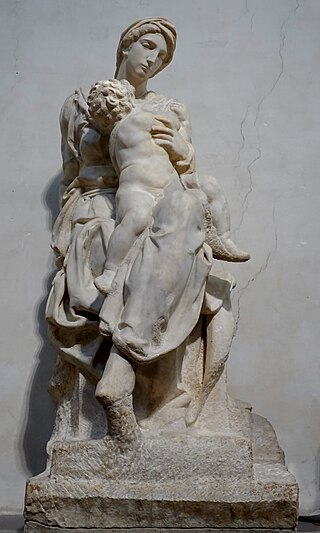
Michelangelo's Mannerist Masterpiece: The Medici Chapel Sculptures in Renaissance Florence
Italy
Art
4 min read
Updated By: History Editorial Network (HEN)
Published:
Updated:
Michelangelo Buonarroti, a central figure of the Renaissance, undertook a significant project in the Medici Chapel. Tasked with creating a series of sculptures, his primary focus was on the Medici Madonna, which portrays the Virgin Mary and the Christ Child. This work, alongside others, marked Michelangelo's exploration into Mannerism, distinguished by its complex compositions and elongated human figures. These sculptures were commissioned to adorn the New Sacristy in the San Lorenzo Basilica, reflecting both religious devotion and the Medici family's wealth.
The project had a considerable impact on art history, as it heralded the Mannerist style. It marked a departure from the balanced and harmonious figures of the High Renaissance, bringing forth a more expressive and dynamic approach to sculpture. Commissioned by Pope Leo X and Cardinal Giulio de' Medici, the pieces served both devotional and political purposes, demonstrating the Medici family's patronage of the arts.
Michelangelo's innovative techniques and stylistic experiments in the Chapel influenced subsequent artists, contributing to the stylistic evolution that defined Mannerism. This period saw a shift towards more artificial, stylized forms, influencing European art for decades. The Medici Madonna and accompanying sculptures remain critical in understanding the progression from Renaissance ideals to the more personal and expressive interpretations that characterized Mannerism.
#Michelangelo #MediciChapel #ArtHistory #RenaissanceArt #Mannerism #MoofLife
Explore the Life Moments of
 AI Twin