Michelangelo's Challenge: Constructing Pope Julius II's Grandiose Tomb
Italy
Art
5 min read
Updated By: History Editorial Network (HEN)
Published:
Updated:
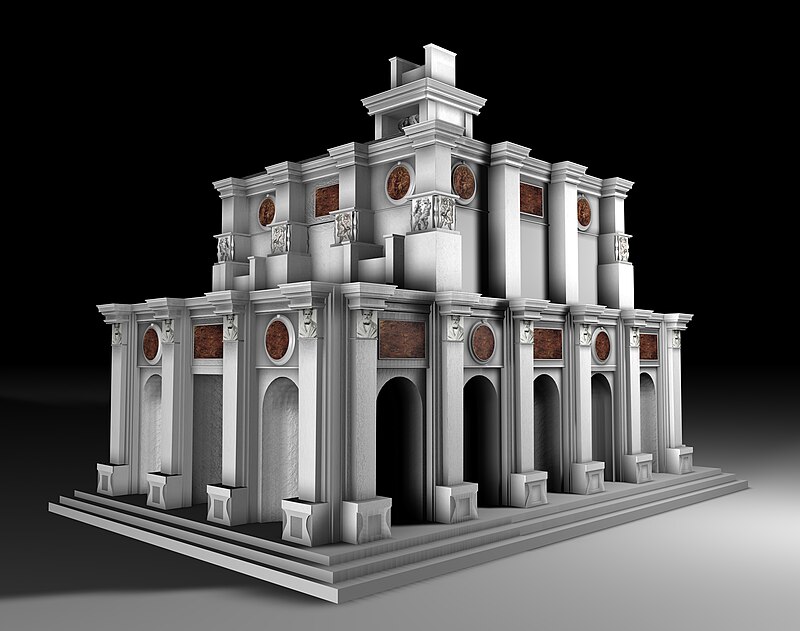
Michelangelo Buonarroti was invited back to Rome by Pope Julius II with a significant task: to construct the Pope's tomb. The commission presented to Michelangelo was both a substantial professional opportunity and a deeply challenging endeavor. This project was envisioned as a monumental work that would establish a lasting legacy for the Pope and highlight Michelangelo's architectural and sculptural expertise.
Pope Julius II, known for his ambitious artistic patronage, sought to create a grandiose final resting place that would symbolize his temporal power and vision. Michelangelo, already distinguished from his previous works, accepted the commission, agreeing to design and build a structure that was to be both architecturally innovative and artistically profound.
The tomb was initially designed to include over 40 statues, and the scale of the project was formidable. Michelangelo's engagement with the tomb required him to source high-quality marble, plan the logistics of transporting the materials, and manage a team of artisans. His vision for the tomb included intricate sculptural details, reflecting both his technical mastery and his deep understanding of human anatomy and expression.
Despite the grandeur of the initial plans, the project encountered significant delays and revisions. Interruptions arose from other commissions and the changing priorities of the Pope, who diverted Michelangelo's focus towards painting the Sistine Chapel ceiling. These factors led to alterations in the original design and extended the completion timeline of the tomb.
The impact of this commission on Michelangelo's career was profound, establishing his reputation further and showcasing his ability to adapt and innovate under demanding circumstances. The tomb of Pope Julius II, although never completed as initially envisioned, remains a testament to Michelangelo's ingenuity and work ethic.
The commission also reflected the broader cultural and political climate of the time, demonstrating the intersection of art and power within the context of the Renaissance period. Pope Julius II's investment in monumental art projects underscored the role of art as a tool for conveying authority and legacy.
#Michelangelo #ArtHistory #Renaissance #PapalTomb #JuliusII #ArchitecturalHistory #Sculpture #MoofLife
Explore the Life Moments of
 AI Twin