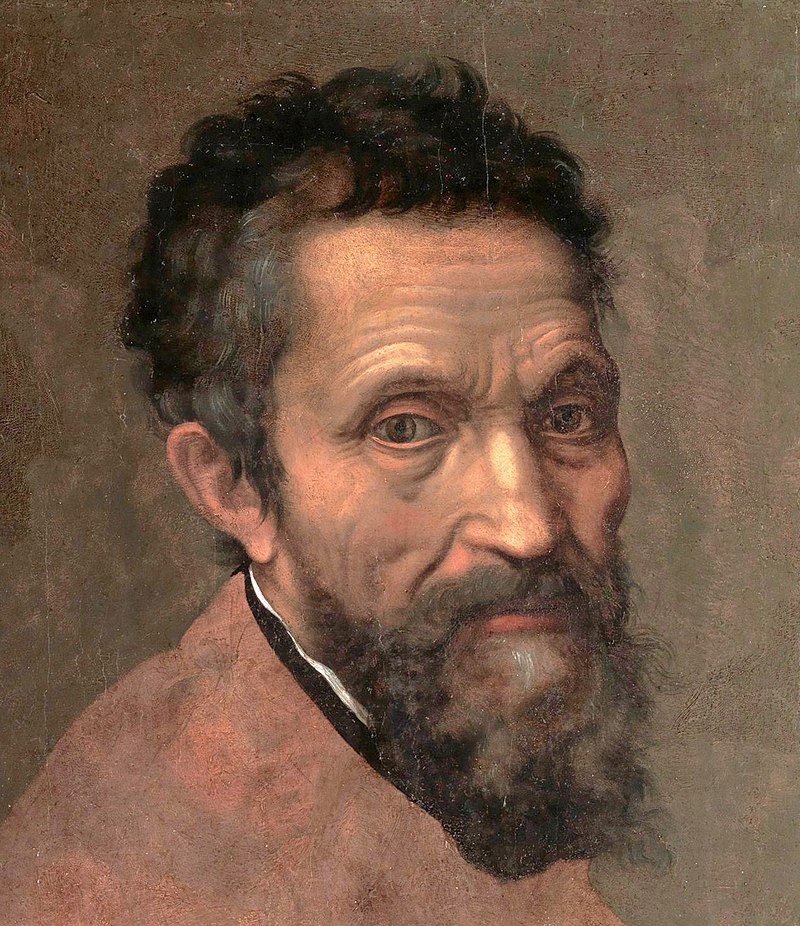
Michelangelo Buonarroti: Renaissance polymath's influential legacy in Western art and architecture.
Italy
Art Renaissance Art
3 min read
Updated By: History Editorial Network (HEN)
Published:
Updated:
Michelangelo Buonarroti, a polymath of the Renaissance period, passed away in Rome at the age of 88. His career spanned over seven decades, during which he greatly influenced Western art. Renowned for his talent across several disciplines, Michelangelo was a painter, sculptor, architect, and poet. His works include masterpieces such as the Sistine Chapel ceiling, the sculpture of David, and the design of St. Peter's Basilica's dome.
Michelangelo's death marked the conclusion of an era that saw significant advancements in art and humanism. He played a key role in developments that bridged the Middle Ages with the modern world. Michelangelo's contributions were significant within the broader context of the Italian Renaissance, a period characterized by a renewed interest in the classical learning and values of ancient Greece and Rome.
His passing had a substantial impact on his contemporaries and the generations that followed. Artists like Raphael, Bernini, and later movements such as Mannerism, looked to his works for inspiration. Patronage by prominent families, including the Medici and Popes Julius II and Paul III, provided the financial and political support for many of his projects. Michelangelo's influence extended beyond his lifetime, affecting the evolution of Western art and architecture profoundly.
#Michelangelo #RenaissanceArt #ArtHistory #Legacy #MoofLife
Explore the Life Moments of
 AI Twin