Introduction of the Mercedes Automobile
Germany
Automobiles
Marketing
4 min read
Updated By: History Editorial Network (HEN)
Published:
Updated:
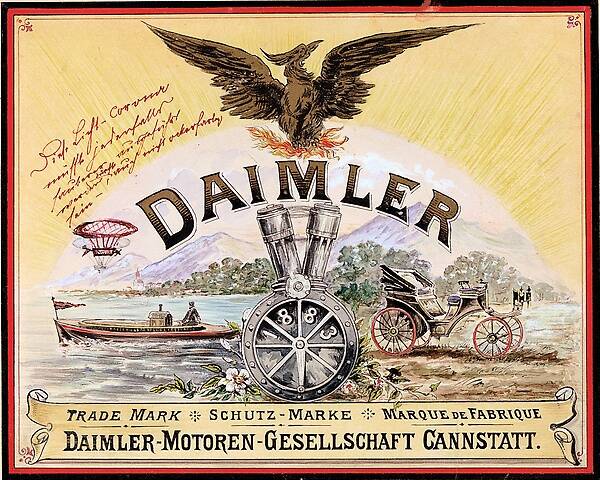
The Mercedes automobile was first marketed by Daimler Motoren Gesellschaft (DMG) in 1901, marking a pivotal moment in the automotive industry. This introduction was significant as it represented the culmination of advancements in engineering and design that had been developing throughout the late 19th century. The vehicle was equipped with a petrol engine, which was a notable innovation at the time, allowing for greater efficiency and performance compared to earlier steam-powered vehicles. The branding of Mercedes was derived from the name of the daughter of Emil Jellinek, a prominent automobile dealer and businessman who played a crucial role in the marketing and development of the brand. Jellinek's influence extended beyond mere sales; he was instrumental in shaping the design and specifications of the vehicles, advocating for a focus on speed and luxury that would become synonymous with the Mercedes name.
The impact of the Mercedes automobile on the automotive landscape was profound. It set a standard for quality and performance that competitors would strive to match. The introduction of the Mercedes brand also coincided with the growing popularity of automobiles, as more consumers began to seek personal transportation options. The success of the Mercedes automobile helped to establish DMG as a key player in the automotive industry, leading to further innovations and the eventual formation of the Mercedes-Benz division. This legacy continues today, as Mercedes-Benz remains a leading manufacturer known for its commitment to engineering excellence and luxury. The brand's early focus on performance and quality laid the groundwork for its future success, influencing automotive design and consumer expectations for generations.
#mooflife
#MomentOfLife
#MercedesAutomobile
#DaimlerMotorenGesellschaft
#AutomotiveHistory
#LuxuryCars
#AutomobileInnovation

Explore the Life Moments of
 AI Twin